How to Wash a Blanket Without Damaging It
Learn how to wash a blanket without damaging it using simple tips for every fabric type. Keep blankets soft, fresh, and lasting longer.

There is something deeply satisfying about wrapping yourself in a clean, fluffy blanket after a long day. But let's be honest, most of us have ruined at least one good blanket by tossing it into the washing machine without a second thought. Maybe it came out looking like a shrunken sweater, or perhaps the fabric pilled so badly it felt like sandpaper against your skin. Sound familiar? Well, you are not alone.Learning how to wash a blanket without damaging it is one of those life skills that nobody really teaches you. Your mom might have mentioned something about cold water once, but the details tend to get lost along the way. The truth is, different blankets need different care, and treating them all the same is a recipe for disaster.
Why Proper Blanket Care Actually Matters
You might be wondering why there is so much fuss about washing a blanket. After all, it is just fabric, right? Well, not exactly. Blankets are an investment, and some of them do not come cheap. A quality wool blanket or a weighted comforter can set you back quite a bit, and nobody wants to watch their hard-earned money literally fall apart in the spin cycle.
Beyond the financial side of things, there is also the comfort factor. A well-maintained blanket keeps its softness, its warmth, and that cozy feeling that makes it your go-to on chilly evenings. Once a blanket loses its texture or starts shedding fibers everywhere, it is pretty much game over. You will find yourself shopping for a replacement sooner than you would like.
Proper washing also plays a role in hygiene. Blankets collect dust mites, dead skin cells, pet dander, and all sorts of invisible guests that you really do not want sleeping next to you. Regular cleaning keeps these unwanted visitors at bay, but only if you do it the right way. Aggressive washing can break down fibers and actually make your blanket more prone to harboring allergens over time.
Know Your Blanket Fabric Before You Start
Before you even think about filling up the tub or pressing that start button on the washing machine, take a minute to check the fabric. This step is crucial, and skipping it is where most people go wrong. Every fabric has its quirks, and treating a silk throw like a cotton bedsheet is just asking for trouble.
Here are some common blanket fabrics and what makes them unique:
Cotton blankets are probably the easiest to care for. They can handle warmer water and regular machine washing without too much drama. However, they do tend to shrink if you are not careful with the dryer settings.
Fleece blankets are wonderfully soft and lightweight, but they attract lint like a magnet. They also pill easily if washed with rough fabrics or on high agitation settings.
Wool blankets require the most delicate touch. Wool fibers can felt and shrink when exposed to heat and excessive agitation. Cold water and gentle handling are absolute musts here.
Polyester and microfiber blankets are fairly resilient, but high heat can damage their synthetic fibers and reduce that silky smooth feel over time.
Weighted blankets present their own challenge because of their sheer bulk and the filling material inside. Not all washing machines can handle the load, and improper washing can cause the filling to clump unevenly.
Always check the care label first. That little tag on the corner of your blanket is not just decoration. It tells you exactly what the manufacturer recommends, and following those instructions is the simplest way to avoid a laundry catastrophe.
How to Wash a Blanket Without Damaging It in the Washing Machine
Most blankets can be safely washed in a standard washing machine, but there are some golden rules you should follow to keep things running smoothly.
First off, always use cold or lukewarm water. Hot water is the enemy of most blanket fabrics. It causes shrinkage in natural fibers and can warp synthetic ones. Unless the care label specifically says otherwise, cold water is your safest bet every single time.
Choose a gentle or delicate cycle. The heavy-duty setting might seem like it would get things cleaner, but all that aggressive tumbling is rough on blanket fibers. A gentle cycle provides enough movement to clean the fabric without beating it up in the process.
Use a mild detergent. Skip the heavy-duty laundry soap and reach for something gentle instead. Liquid detergents tend to dissolve better and rinse out more completely than powdered options. If your blanket is made of wool, look for a detergent specifically formulated for woolens.
Do not overload the machine. Your blanket needs room to move around freely in the drum. If it is packed in too tightly, the detergent cannot circulate properly, and you will end up with a blanket that is only half clean. For larger blankets, consider using a commercial-sized washer at your local laundromat.
Skip the fabric softener. This might sound counterintuitive since you want your blanket to be soft, but fabric softeners leave a coating on fibers that actually reduces their absorbency and can make them feel greasy over time. A splash of white vinegar in the rinse cycle works wonders as a natural softener without any of the downsides.
Hand Washing Your Blankets the Right Way
Some blankets are just too delicate for the washing machine, and that is perfectly fine. Hand washing might take a little more effort, but it gives you complete control over the process, and your blanket will thank you for the gentle treatment.
Fill a bathtub or a large basin with cold water. Add a small amount of mild detergent and swirl it around until it dissolves completely. Submerge the blanket and gently press it down into the water. Resist the urge to scrub, twist, or wring the fabric. Just let it soak for about fifteen to thirty minutes, giving it an occasional gentle squeeze.
Drain the soapy water and refill the tub with clean, cold water. Press the blanket gently to push out the dirty water and let the clean water rinse through the fibers. You might need to repeat this rinsing step two or three times until the water runs clear and all the soap is gone.
When it comes time to remove the blanket from the tub, do not just yank it out. A wet blanket is incredibly heavy, and pulling on it can stretch the fibers out of shape. Instead, press as much water out as possible while the blanket is still in the tub, then carefully lift it out and lay it flat on a clean surface or across a drying rack.
Drying Your Blanket Without Causing Damage
Drying is honestly where most blanket disasters happen. You have done everything right during the wash, but then you toss the blanket into the dryer on high heat and undo all your careful work in one fell swoop. Let's make sure that does not happen.
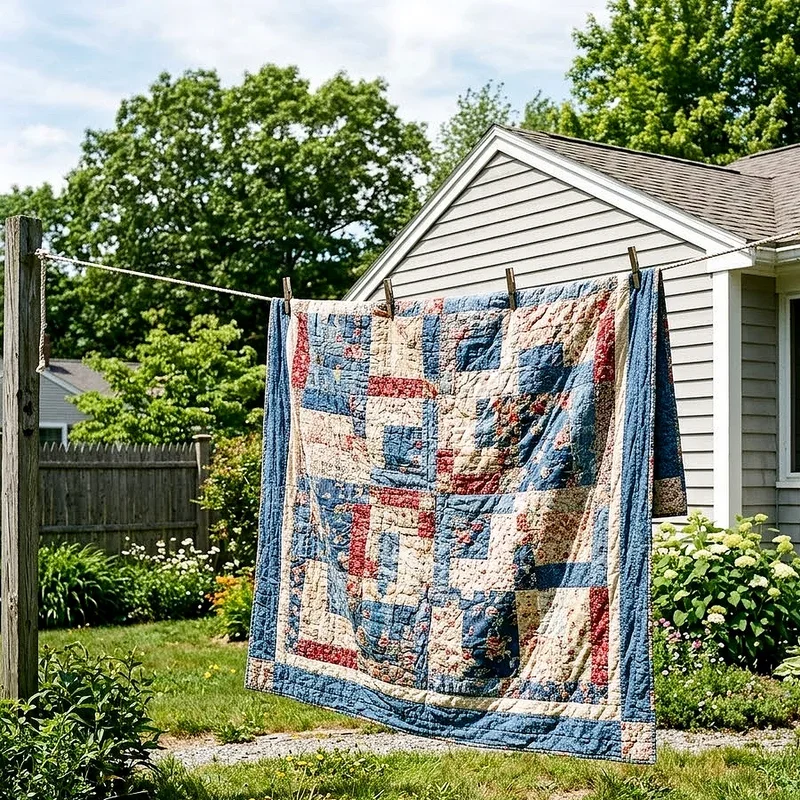
Air drying is the gentlest option and works beautifully for most blankets. Lay the blanket flat on a clean surface or drape it over a sturdy drying rack. If you are drying it outdoors, keep it out of direct sunlight, which can fade colors and weaken fibers over time. Flip the blanket halfway through the drying process to make sure both sides dry evenly.
If you need to use a dryer, stick to the lowest heat setting or the air-fluff cycle. Toss in a couple of clean tennis balls or dryer balls to help fluff up the fibers and prevent clumping. Remove the blanket while it is still slightly damp and let it finish air drying to minimize any heat damage.
Never hang a wet blanket from a clothesline by its edges. The weight of the water will pull on the fabric and stretch it out, leaving you with a blanket that is longer on one side than the other. If you must hang it, drape it over the line so the weight is distributed evenly.

Dealing with Stains and Odors
Stains happen. Whether it is a coffee spill, a pet accident, or a mystery mark that appeared out of nowhere, treating stains quickly and correctly is the key to keeping your blankets looking fresh.
For most stains, a simple spot treatment before washing does the trick. Mix a small amount of mild detergent with cold water and gently dab it onto the stain with a clean cloth. Work from the outside edges of the stain toward the center to prevent spreading. Let it sit for about ten minutes, then blot it away with a damp cloth.
For tougher stains, a paste made from baking soda and water can work miracles. Apply it to the stain, let it sit for thirty minutes, and then brush it off gently before washing the blanket as usual.
When it comes to odors, baking soda is your best friend once again. Sprinkle a generous amount over the blanket and let it sit for a few hours or even overnight. Shake it off or vacuum it up before washing. Adding half a cup of white vinegar to the rinse cycle also helps neutralize stubborn smells without leaving any vinegar scent behind.
How Often Should You Wash Your Blankets
This is a question that comes up surprisingly often, and the answer depends on how you use your blankets. A decorative throw that sits on the back of your couch does not need nearly as much washing as a blanket you sleep under every single night.
As a general rule of thumb, blankets that are used nightly should be washed every two to four weeks. Throws and decorative blankets can go a couple of months between washes unless they get visibly dirty or start smelling a bit off. Seasonal blankets that come out of storage should always get a good wash before their first use of the season.
Pet owners might need to wash their blankets more frequently, especially if furry friends have a habit of curling up on them. Pet hair, dander, and the occasional muddy paw print all add up faster than you might think.
Tips for Storing Blankets When They Are Not in Use
Proper storage is an often overlooked part of blanket care. Shoving your winter blankets into a garbage bag and tossing them in the attic is not doing them any favors. Heat, moisture, and pests can wreak havoc on stored blankets if you are not careful.
Always wash and thoroughly dry your blankets before storing them. Any residual moisture can lead to mold and mildew growth, and nobody wants to pull out a musty blanket when the cold weather rolls back around.
Store blankets in breathable cotton bags or old pillowcases rather than plastic bins or bags. Plastic traps moisture and creates a perfect environment for mildew. A breathable container allows air to circulate while still protecting the blanket from dust and pests.
Toss in a sachet of lavender or cedar chips to keep moths and other critters at bay. These natural repellents smell pleasant and do a fantastic job of protecting your blankets without the harsh chemicals found in traditional mothballs.
Keep stored blankets in a cool, dry place away from direct sunlight. Attics and basements can experience extreme temperature swings and humidity levels, so a linen closet or bedroom shelf is usually a better choice.

Common Mistakes People Make When Washing Blankets
Even with the best intentions, it is easy to make mistakes that can shorten the life of your blankets. Being aware of these common pitfalls helps you avoid them altogether.
Using too much detergent is probably the most frequent mistake. More soap does not mean a cleaner blanket. Excess detergent leaves residue in the fibers that attracts dirt and makes the blanket feel stiff. Use the recommended amount or even a little less than what the bottle suggests.
Washing blankets with zippers, buttons, or rough fabrics is another common error. These items can snag on blanket fibers and cause pulls, tears, or pilling. Always wash blankets separately or with other soft items.
Ignoring the care label is a classic blunder that leads to all sorts of problems. Every blanket is different, and the manufacturer knows best when it comes to recommended washing methods.
Overloading the washing machine is something many people do without realizing it. A blanket that is crammed into a small washer will not get properly cleaned, and the excessive friction can damage the fabric.
Skipping the rinse cycle or cutting it short leaves soap residue in the blanket, which can cause irritation for people with sensitive skin and makes the fabric feel crunchy rather than soft.
Conclusion
Understanding how to wash a blanket without damaging it really comes down to paying attention to the details. Check the care label, choose the right water temperature, use a gentle detergent, and never rush the drying process. Each fabric has its own needs, and treating your blankets with a bit of extra care goes a long way toward keeping them soft, clean, and cozy for years. It is one of those simple habits that saves you money and keeps your favorite blankets feeling brand new every time you reach for them.
Read next: 15 Blanket Storage Ideas for Bedrooms and Family Rooms
Frequently Asked Questions
Q1. Can I wash all types of blankets in a washing machine?
A: No, delicate fabrics like silk or hand-knit wool need gentle hand washing instead.
Q2. How often should I wash a blanket I sleep with every night?
A: Wash blankets used nightly every two to four weeks for best hygiene results.
Q3. Is it okay to use bleach on white blankets?
A: Avoid bleach as it weakens fibers; use baking soda or oxygen-based cleaners instead.
Q4. Can I dry my wool blanket in the dryer?
A: No, wool should always be air dried flat to prevent shrinking and felting.
Q5. What is the best way to remove pet hair from blankets before washing?
A: Use a lint roller or sticky tape to remove pet hair before machine washing.
Stay up to date with our latest ideas!