How to Wash a Pillow: Step-by-Step Guide for Best Results
Master how to wash a pillow with our step-by-step guide for best results. Clean every pillow type properly for fresher, healthier sleep.
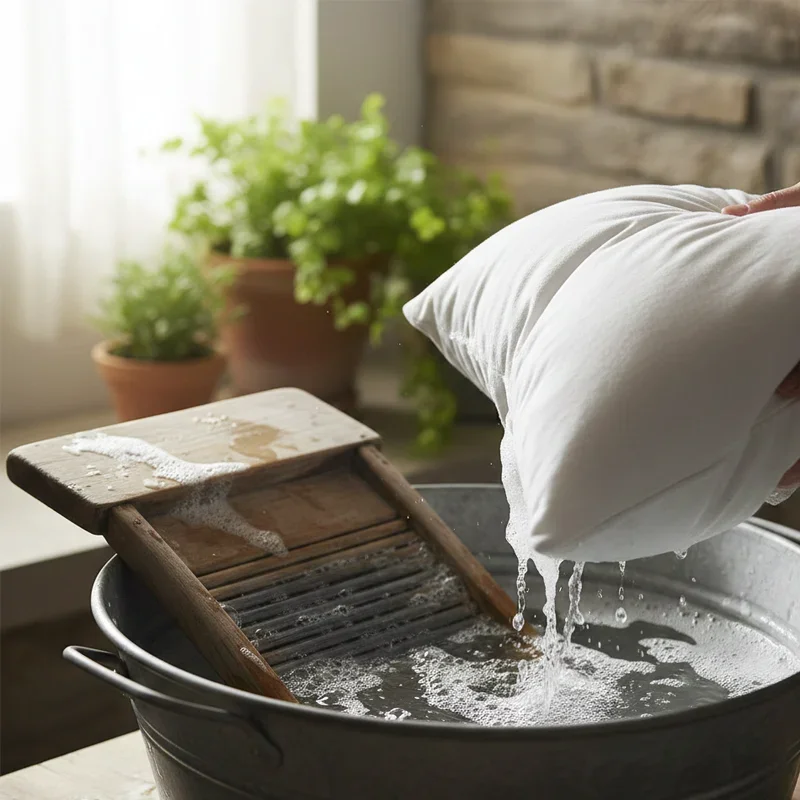
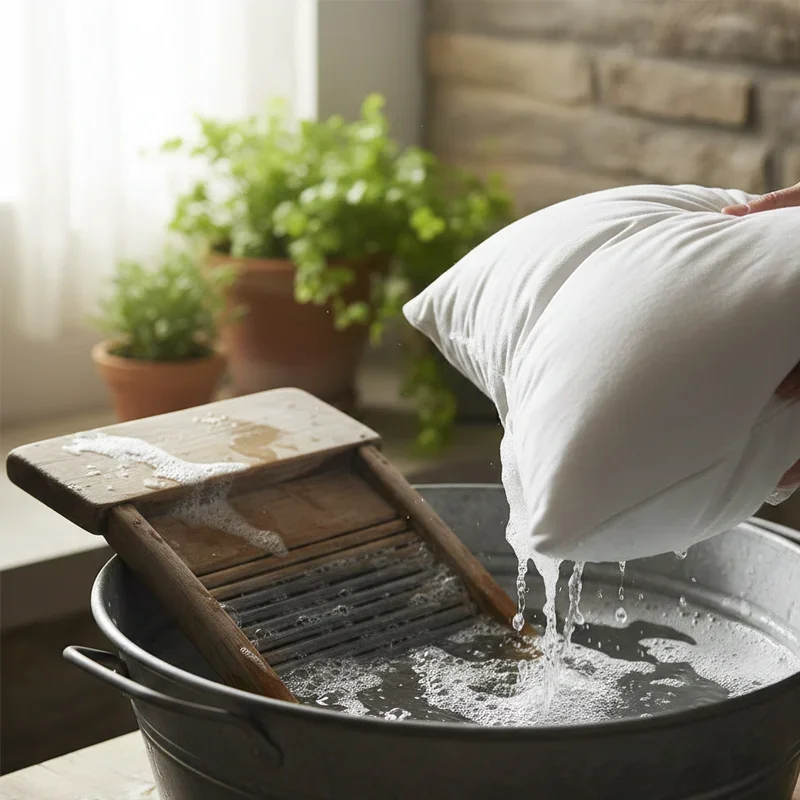
When was the last time you actually washed your pillows? Not the pillowcases, mind you, but the actual pillows themselves? If you're scratching your head trying to remember, you're definitely not alone! Most people faithfully wash their sheets weekly but completely forget that pillows need attention too. And boy, do they need it!
Here's a slightly gross reality check: your pillow absorbs about a pint of sweat every single week. Add in dead skin cells, body oils, drool, dust mites, and their waste products, and you've got yourself a pretty unsavory situation happening right where you rest your head each night. Suddenly that yellowing, lumpy pillow doesn't seem quite so cozy anymore, does it?
The good news is that washing pillows isn't nearly as complicated as most people assume. With the right approach, you can restore even the saddest, flattest pillow to something resembling its former fluffy glory. This How to Wash a Pillow: Step-by-Step Guide for Best Results covers everything from identifying your pillow type to drying techniques that prevent that dreaded musty smell. Ready to give your pillows the spa day they desperately deserve? Let's dive in!
Why Washing Your Pillows Actually Matters
The Hidden World Inside Your Pillow
Okay, fair warning: this section might make you want to throw out every pillow you own and start fresh. But knowledge is power, so here we go! Your pillow is basically a sponge that absorbs everything your head produces throughout the night. We're talking sweat, oils from your hair and skin, makeup residue, and moisture from breathing and occasional drooling.
All that organic material creates a perfect paradise for dust mites. These microscopic creatures feast on dead skin cells and thrive in warm, humid environments, making your pillow their dream home. A single pillow can harbor tens of thousands of these little critters along with their waste products. Pleasant dreams, right?
Beyond dust mites, bacteria and fungi also set up shop in unwashed pillows. Studies have found that pillows used for just a couple of years can contain millions of fungal spores. For people with allergies, asthma, or sensitive skin, sleeping on dirty pillows can trigger symptoms and disrupt sleep quality significantly.
Health Benefits of Clean Pillows
Regularly washing your pillows dramatically reduces allergen levels, helping allergy sufferers breathe easier at night. Fewer dust mites mean fewer allergic reactions, less congestion, and more restful sleep overall.
Clean pillows also benefit your skin. All that accumulated oil and bacteria pressing against your face for hours can contribute to breakouts, irritation, and clogged pores. Fresh, clean pillows give your skin a fighting chance against these problems.
There's also something psychologically satisfying about resting your head on freshly washed bedding. The clean smell, the refreshed texture, the knowledge that you're not snuggling up to months of accumulated grime, all contribute to better sleep hygiene in both the literal and figurative sense.
Identifying Your Pillow Type
Down and Feather Pillows
These classic luxury pillows contain either goose down, duck down, feathers, or a combination. They're wonderfully soft and moldable but require careful washing to maintain their loft and prevent clumping. The good news? Most down pillows handle washing surprisingly well when done correctly.
Check for any tears or weak seams before washing because loose feathers in your washing machine create a mess you won't soon forget. If you spot damage, repair it first or consider professional cleaning instead.
Synthetic and Polyester Pillows
The most common pillow type, synthetic fills are generally the easiest to wash at home. They're forgiving, dry relatively quickly, and don't require the careful handling that natural fills demand. Most synthetic pillows can handle regular machine washing without drama.
However, cheaper polyester pillows may not survive washing as well as higher-quality options. Very inexpensive pillows sometimes just aren't worth the effort to wash and might be better replaced instead.
Memory Foam Pillows
Here's where things get tricky! Traditional memory foam pillows should never go in the washing machine. The agitation damages the foam's cellular structure, and the material absorbs water like crazy, taking forever to dry completely. Wet memory foam trapped inside a pillowcase becomes a mold factory in no time.
Shredded memory foam pillows offer more flexibility since the fill isn't one solid piece. Some can handle gentle washing, but always check manufacturer instructions first.
Latex Pillows
Similar to memory foam, solid latex pillows don't belong in washing machines. The material degrades when submerged and agitated, and getting latex completely dry is nearly impossible without damaging it. Spot cleaning remains the safest approach for latex pillows.
Buckwheat and Other Natural Fill Pillows
Buckwheat hull pillows require completely different care. You'll need to empty the hulls, wash just the cover, then refill once everything dries. The hulls themselves can be aired out in sunlight but shouldn't get wet.
How to Wash a Pillow: Step-by-Step Guide for Best Results
Pre-Wash Preparation
Before tossing pillows in the machine, take a few preparatory steps that make a big difference. Remove all pillowcases and pillow protectors first. Give each pillow a thorough inspection for tears, worn seams, or stains that need pre-treatment.
For stubborn stains, apply a small amount of dish soap or enzyme-based stain remover directly to the spot. Gently work it in with your fingers and let it sit for fifteen to twenty minutes before washing. This pre-treatment helps lift set-in discoloration that regular washing alone might not budge.
Check your washing machine capacity too. Pillows need room to move freely and rinse properly. Cramming oversized pillows into a small washer results in poor cleaning and soap residue left behind. If your machine is too small, consider using a laundromat's large-capacity machines instead.
Machine Washing Down and Feather Pillows
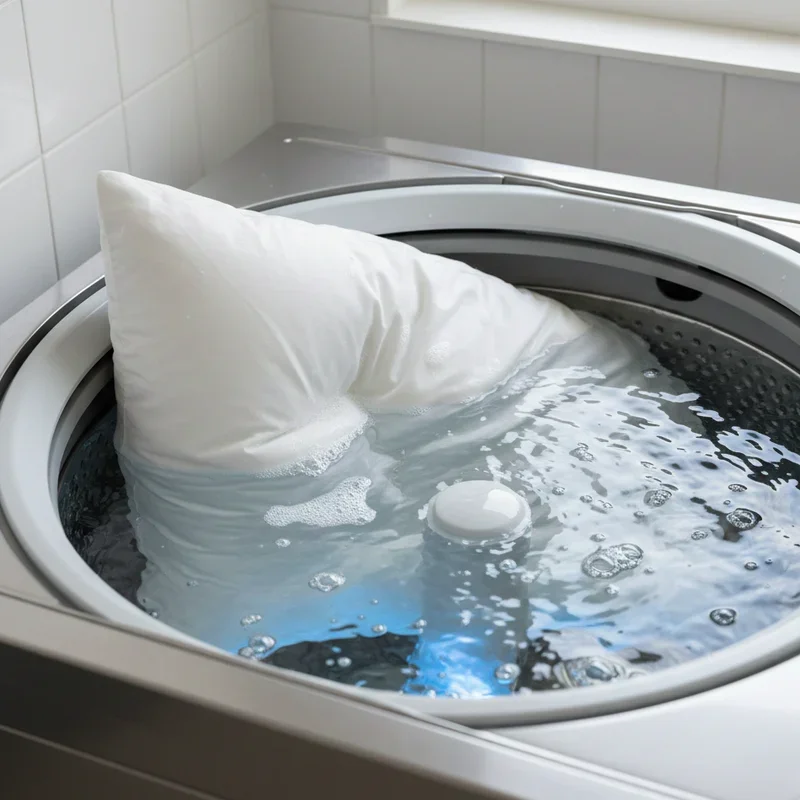
Select the gentle or delicate cycle with warm water for down pillows. Hot water can damage natural oils in feathers, while cold water doesn't clean as effectively. Warm hits the sweet spot perfectly.
Use a small amount of mild liquid detergent, about one tablespoon for two pillows. Powdered detergents can leave residue trapped in down clusters, so liquid formulas work better. Even better? Use a detergent specifically designed for down products.
Wash two pillows simultaneously to balance your washing machine drum. A single pillow throws the machine off-balance during spin cycles, causing excessive vibration and potentially incomplete cleaning. Two pillows keep things even and ensure proper agitation.
Run an extra rinse cycle, or even two, after the main wash completes. Down and feathers trap soap stubbornly, and residual detergent causes pillows to feel stiff and flat once dry. Those extra rinses are worth the additional time investment.
Machine Washing Synthetic Pillows
Synthetic pillows handle more aggressive washing than delicate down. Use the regular cycle with warm water and standard liquid detergent. Again, wash two pillows together for balance.
Add half a cup of baking soda to the wash cycle for extra freshening power. Baking soda neutralizes odors trapped deep in pillow fibers and helps brighten whites that have yellowed over time. It's a simple addition that makes noticeable differences.
Like down pillows, synthetic fills benefit from extra rinse cycles. Polyester fibers can also trap detergent, leading to stiffness and reduced fluffiness. When in doubt, rinse again.
Hand Washing Memory Foam and Latex
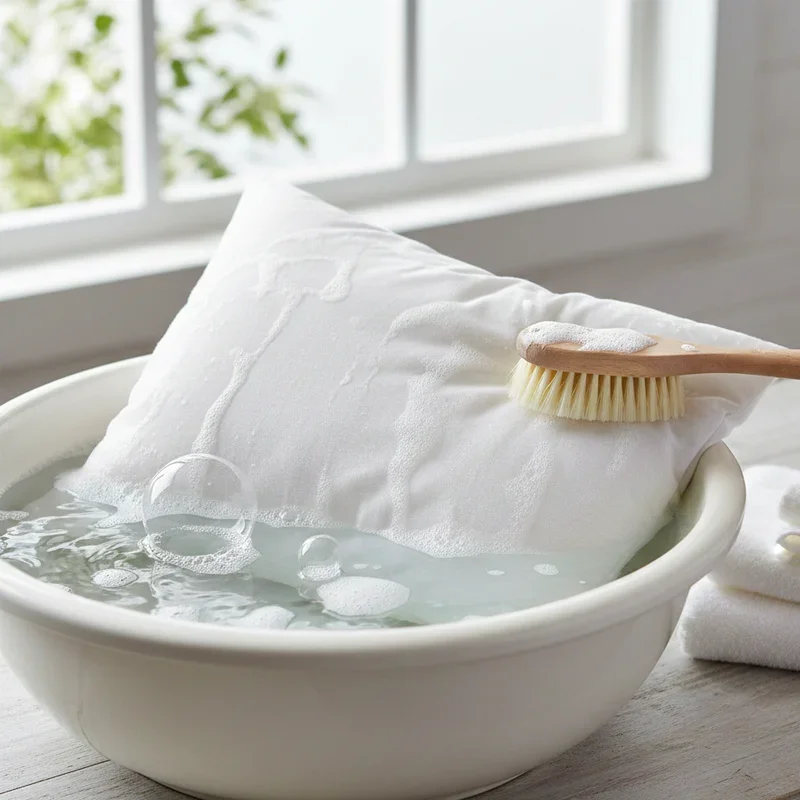
Fill a bathtub or large basin with lukewarm water and add a small amount of mild detergent. Submerge your memory foam pillow, but here's the crucial part: don't wring, twist, or squeeze aggressively. Gentle pressing motions allow soapy water to penetrate without damaging the foam structure.
Let the pillow soak for about ten minutes, gently pressing periodically to work the solution through. Drain the soapy water and refill with clean water for rinsing. Press gently to remove detergent, and repeat rinsing until water runs clear.
Removing water from memory foam requires patience. Press firmly but gently, using towels to absorb moisture. Never wring or twist the foam because distorting the material causes permanent damage. This process takes time but protects your investment.
Drying Your Pillows Properly
Why Drying Matters So Much
Improper drying ruins more pillows than improper washing! Damp pillows develop mold, mildew, and that unmistakable musty smell that no amount of airing out can eliminate. Ensuring complete dryness before use is absolutely non-negotiable.
The goal is getting moisture out as quickly as possible while maintaining pillow structure. Different fill types require different approaches, but thoroughness matters across the board.
Drying Down and Feather Pillows
Tennis balls or dryer balls become your best friends when drying down pillows. Toss three or four balls in with your pillows on low heat. The balls bounce around, breaking up clumps and helping feathers separate and fluff as they dry.
Down pillows take a surprisingly long time to dry completely, sometimes several hours or multiple dryer cycles. Check frequently by pressing into the pillow's center. If you feel any coolness or dampness, keep drying. Rushing this step invites mold problems.
Remove pillows periodically, fluff by hand, and redistribute any clumped filling before returning to the dryer. This manual intervention helps achieve even drying throughout.
Drying Synthetic Pillows
Polyester pillows typically dry faster than down but still benefit from dryer balls to maintain loft. Use low to medium heat because high temperatures can damage synthetic fibers and cause melting in extreme cases.
Like down pillows, check for complete dryness before considering yourself finished. Synthetic fills can feel dry on the outside while retaining moisture in the center.
Air Drying Memory Foam
Memory foam should never go in the dryer because heat damages the material's structure permanently. Instead, lay foam pillows flat in a well-ventilated area, preferably with air circulation from fans. Direct sunlight helps speed drying while providing natural sanitizing benefits.
Memory foam can take 24 hours or longer to dry completely after hand washing. Press gently on different areas to check for remaining moisture. Patience prevents mold problems and extends pillow life significantly.
Consider whether hand washing memory foam is worth the effort. Sometimes spot cleaning combined with regular vacuuming and airing provides adequate maintenance without the drying challenges full washing presents.
Spot Cleaning and Maintenance Between Washes
Quick Refresh Methods
Between deep washes, regular maintenance keeps pillows fresher longer. Monthly vacuuming with your upholstery attachment removes surface dust, dead skin cells, and some dust mites without requiring full washing.
Sprinkling baking soda across pillow surfaces, letting it sit for thirty minutes, then vacuuming thoroughly freshens and deodorizes effectively. This quick treatment works great for removing everyday odors and absorbed body oils.
Sunlight provides natural sanitizing power! On sunny days, hang pillows outdoors for a few hours. Ultraviolet rays kill bacteria, dust mites, and mold spores while fresh air carries away stale odors. Just don't leave pillows out in rain or extreme humidity.
Addressing Specific Stains
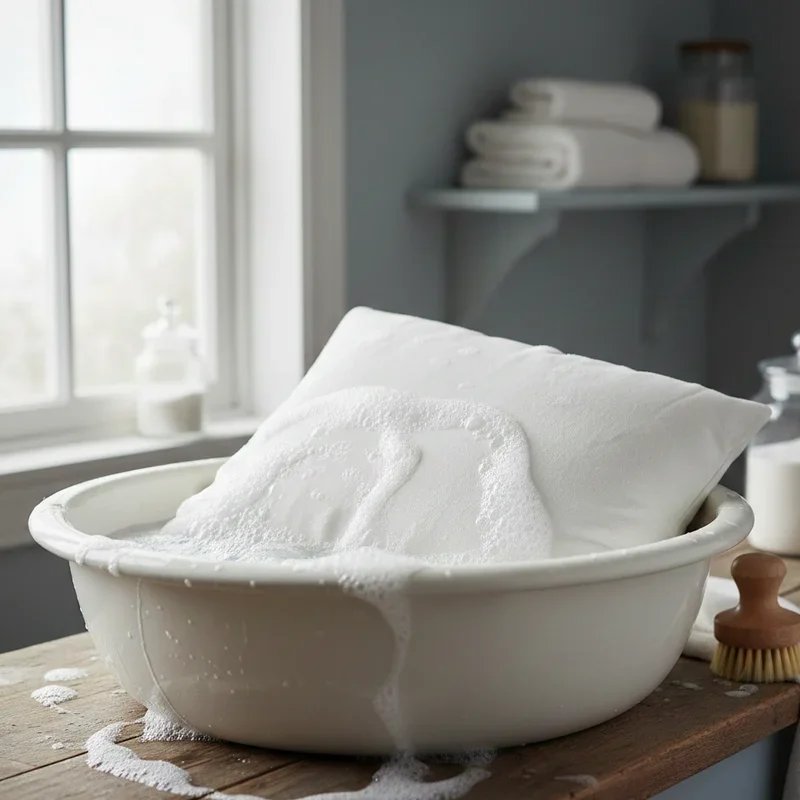
For fresh liquid spills, blot immediately without rubbing. Rubbing spreads stains and pushes liquid deeper into pillow filling. Press clean towels against the spot, absorbing as much moisture as possible.
Yellowing from sweat and oils responds well to enzyme-based cleaners or a paste of baking soda and hydrogen peroxide. Apply to stained areas, let sit for an hour, then vacuum away residue. For washable pillows, follow with a full wash cycle.
Blood stains require cold water, never hot, because heat sets protein stains permanently. Blot with cold water and mild soap, then wash in cold if the pillow type allows machine washing.
When to Replace Instead of Wash
Signs Your Pillow Has Had Enough
Sometimes washing just isn't enough to save a pillow that's reached the end of its useful life. If your pillow stays lumpy and flat even after washing and thorough drying, the fill has likely broken down beyond recovery.
Pillows with permanent odors that survive washing need replacement. That persistent smell indicates deep contamination that surface cleaning cannot address. Your sleep quality deserves better!
Visible staining that doesn't respond to cleaning, along with pillows that trigger allergy symptoms despite regular washing, should be retired. Most pillows should be replaced every one to two years regardless of condition because accumulated allergens and structural breakdown are inevitable.
The Fold Test
Here's a quick test for synthetic pillows: fold your pillow in half and release. A pillow with life remaining springs back to its original shape immediately. A pillow that stays folded or returns slowly has lost its supportive structure and needs replacing.
For down pillows, fold in half, squeeze out air, and release. The pillow should unfold and fluff back up within seconds. Slow recovery indicates worn-out fill that won't provide proper support regardless of cleanliness.
Conclusion
Washing your pillows regularly transforms your sleep environment from a dust mite habitat into a clean, fresh sanctuary you actually want to rest your head on. This How to Wash a Pillow: Step-by-Step Guide for Best Results has shown you that proper pillow care isn't complicated once you understand your pillow type and follow appropriate techniques. Remember that thorough drying matters just as much as washing itself, and some pillows simply need replacement rather than rescue. Commit to washing pillows every three to six months, maintain them with regular vacuuming and airing, and enjoy the healthier, fresher sleep you deserve.
Read next: What Is a Pillow Sham? Bedding Basics for a Styled Bed
Frequently Asked Questions
1. How often should I wash my pillows for optimal hygiene?
Wash pillows every three to six months, or quarterly if you have allergies.
2. Can I put memory foam pillows in the washing machine?
No, machine washing damages memory foam structure; spot clean or hand wash gently instead.
3. Why do my pillows smell musty after washing?
Musty smells indicate incomplete drying; pillows must be thoroughly dry before use always.
4. Will washing ruin my expensive down pillows?
Proper washing actually revitalizes down pillows when using gentle cycles and thorough drying.
5. Should I use fabric softener when washing pillows?
Avoid fabric softener as it coats fibers and reduces pillow fluffiness and absorbency.
Stay up to date with our latest ideas!