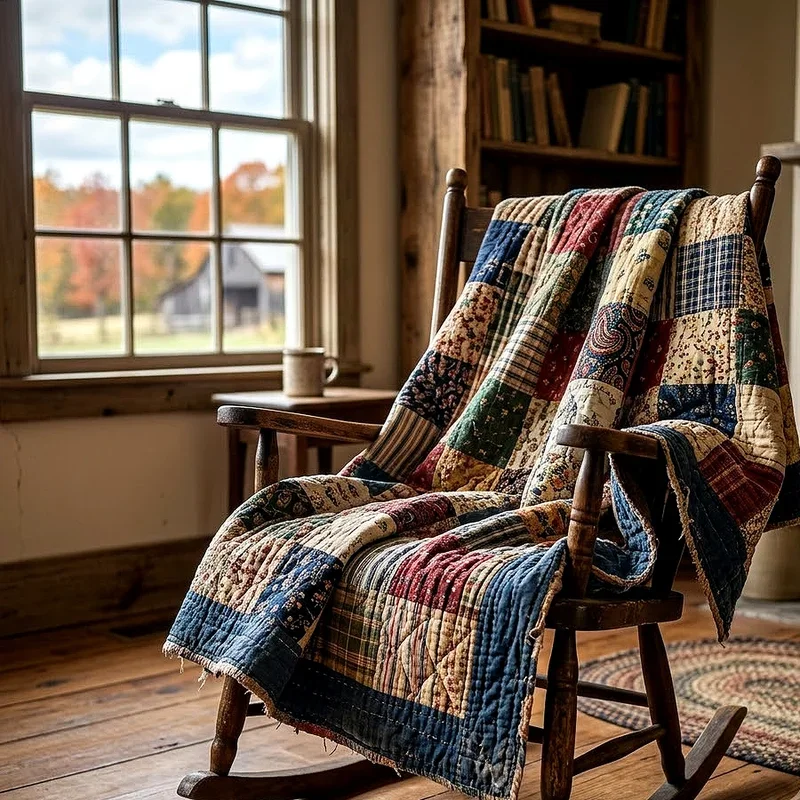
Confused about bedding? Learn what is the difference between a quilt and comforter, from stitching and warmth to washing and style.
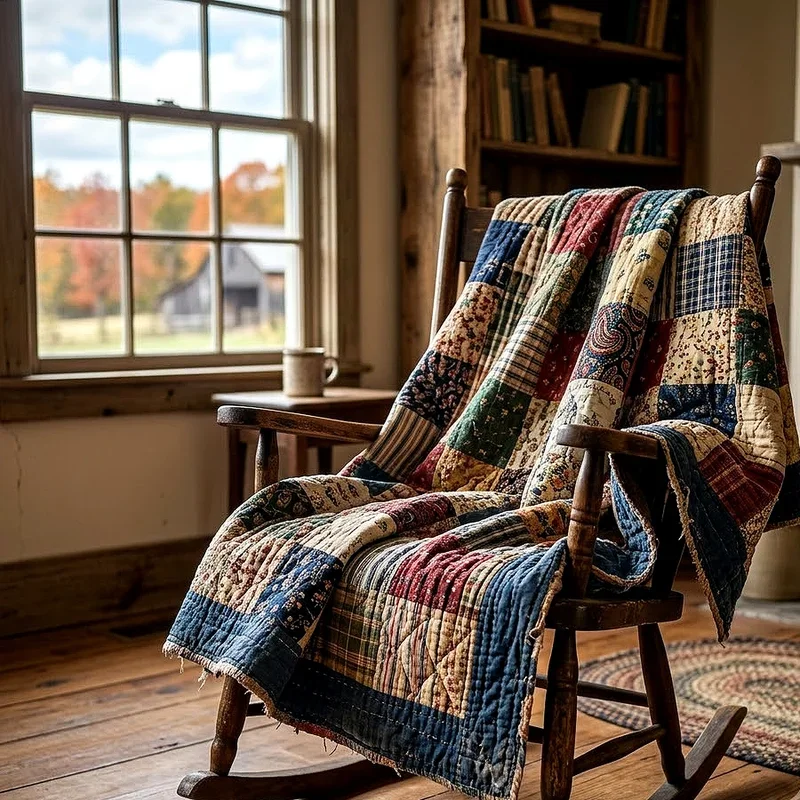
Standing in the bedding aisle, everything starts to blur together. One blanket looks puffy, another looks flat, and both cost more than you planned to spend. So what gives? Honestly, most of us grab whatever matches the walls and call it a day. But quilts and comforters aren't twins, and picking the wrong one can leave you sweating at 2 a.m. or shivering by dawn. Let's clear the fog and figure out which one actually belongs on your bed.
What Is the Difference Between a Quilt and Comforter at a Glance?
Here's the short version before we dig into the weeds. A quilt is a flat, stitched blanket made of three layers sewn together in a pattern. A comforter is a thick, fluffy blanket stuffed with filling and sealed shut like a giant pillow.
That's the bones of it. Everything else, warmth, weight, price, care, flows out of that one structural difference. Think of it like comparing a pancake to a marshmallow. Both are lovely. They just behave differently.
Getting to Know the Quilt
Quilts have been around for centuries, and they carry a bit of history in every stitch. Grandmothers made them. Communities made them. Some folks still gather around a frame and sew by hand, though most quilts on store shelves today come off a machine.
How a Quilt Is Put Together
Every quilt has three layers, and that's non-negotiable:
1. The top layer, which is usually pieced together from fabric scraps or printed as one continuous design. 2. The middle layer, called batting, which is a thin sheet of cotton, wool, polyester, or a blend. 3. The backing, a single piece of fabric that closes everything up.
Those three layers get stitched through with a pattern. The stitching isn't just decoration, though it sure looks nice. It locks the batting in place so it can't bunch up in one corner after a few washes.
Why People Reach for Quilts
Quilts breathe. That's the big selling point. Because the batting is thin and the stitching compresses it, air moves through the fabric instead of getting trapped. If you're a hot sleeper, this is your best friend.
They also fold beautifully. A quilt draped across the foot of a bed looks intentional, like you actually tried. And they wash up easily in a regular machine, no special trip to the laundromat required.
Plus, let's be real, quilts have soul. A comforter is a product. A quilt often feels like a keepsake, even the ones you bought on sale.
Getting to Know the Comforter
Comforters are the newer kid on the block, at least in their current form. They showed up as the fluffy, cloud-like option, and they've dominated bedding departments ever since.
How a Comforter Is Put Together
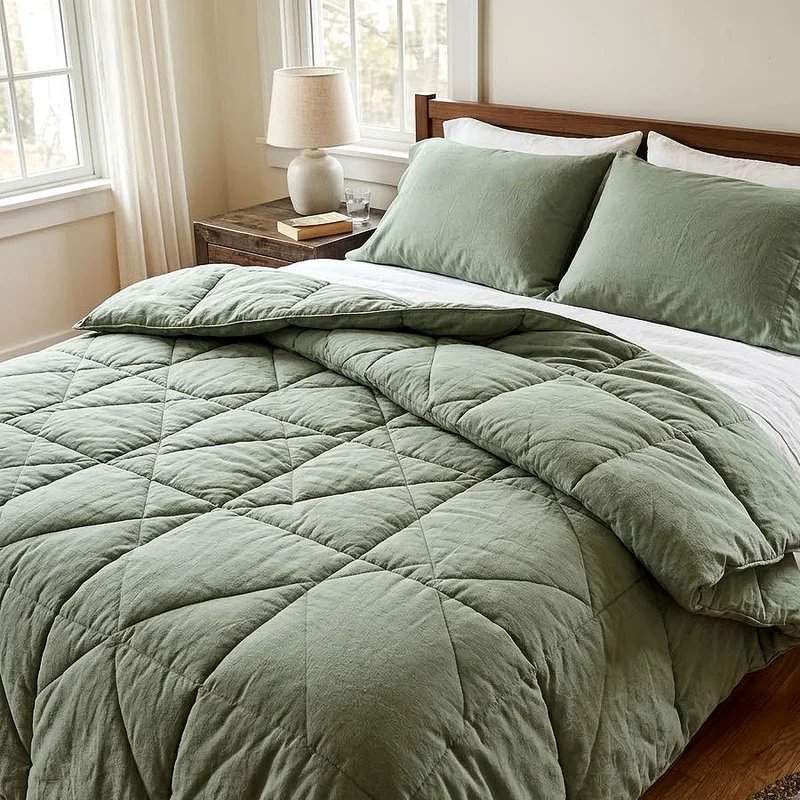
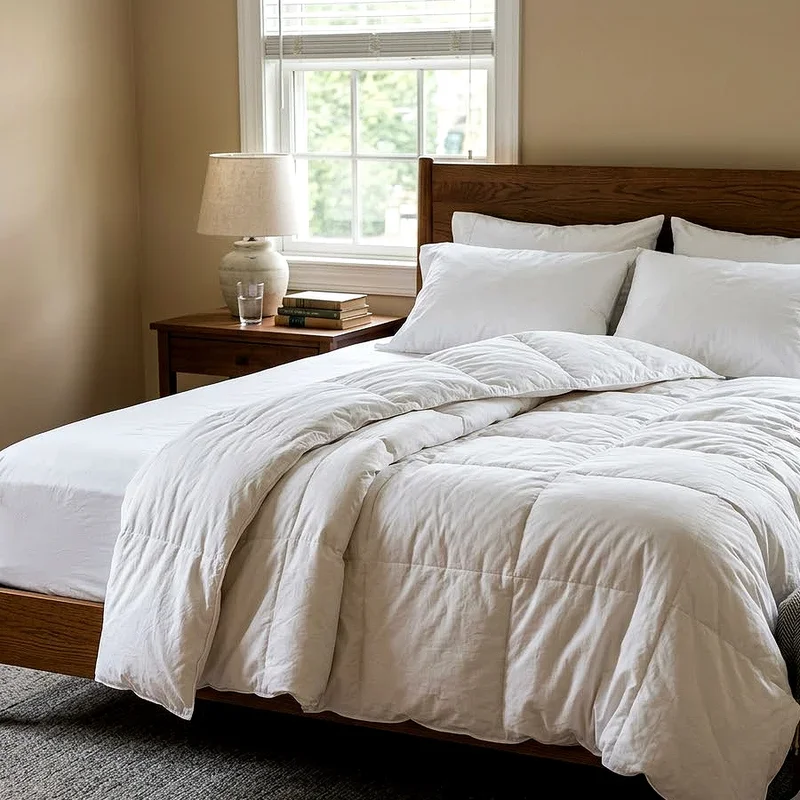
A comforter is basically two large pieces of fabric sewn around the edges with filling stuffed inside. That filling might be down, down alternative, polyester fiberfill, or wool.
To keep the stuffing from sliding to one end, manufacturers use one of two methods:
* Box stitching, which creates a grid of sewn squares that hold filling in place. * Baffle box construction, where fabric walls sit between the top and bottom layers, giving the fill room to loft up.
Baffle box is the fancier option, and yes, you'll pay for it. But it's warmer because the filling isn't squished flat at the seams.
Why People Reach for Comforters
Warmth, plain and simple. Comforters trap air in all that fluff, and trapped air is what keeps you toasty. On a freezing night, nothing beats sinking under one.
They're also low effort. A comforter fills out a bed all by itself. Toss it on, smooth it once, and the room looks finished. No layering required, no extra blankets needed.
What Is the Difference Between a Quilt and Comforter in Real Life?
Specs are one thing. Living with a blanket is another. Here's how these two actually stack up day to day.
Warmth and Weather
Quilts are moderate. They'll keep the chill off without cooking you. In spring, summer, and mild fall weather, a quilt hits the sweet spot. In deep winter, you'll want to layer it with a blanket or a duvet.
Comforters run hot. That's their whole personality. If your bedroom sits at 60 degrees all winter, a comforter is worth every penny. If you live somewhere humid and warm, though, you might kick it off by midnight.
Weight and Feel
A quilt has heft without puff. It lies close to the body, almost like a heavy sheet. Some people find that grounding and comforting. Others say it feels too thin.
A comforter is light for its size but takes up serious space. It puffs, it drapes, it swallows you. If you like the feeling of being tucked into a cloud, this is your pick.
Washing and Care
This one matters more than people think. A quilt goes in your washer, comes out of your dryer, and goes right back on the bed. Easy.
A comforter, especially a king size, may not fit in a standard home machine. Stuff it in anyway and you'll either break the machine or end up with a lumpy mess that never dries properly. Many people end up at the laundromat two or three times a year, which adds up in both time and money.
Some quick care notes worth remembering:
* Wash quilts on a gentle cycle in cool water to protect the stitching. * Shake comforters out weekly to keep the fill evenly spread. * Use a duvet cover over a comforter if you want to skip most of the washing entirely. * Dry both fully, since damp filling can smell musty fast.
Style, Looks, and Bedroom Vibes
Design-wise, these two send different messages.
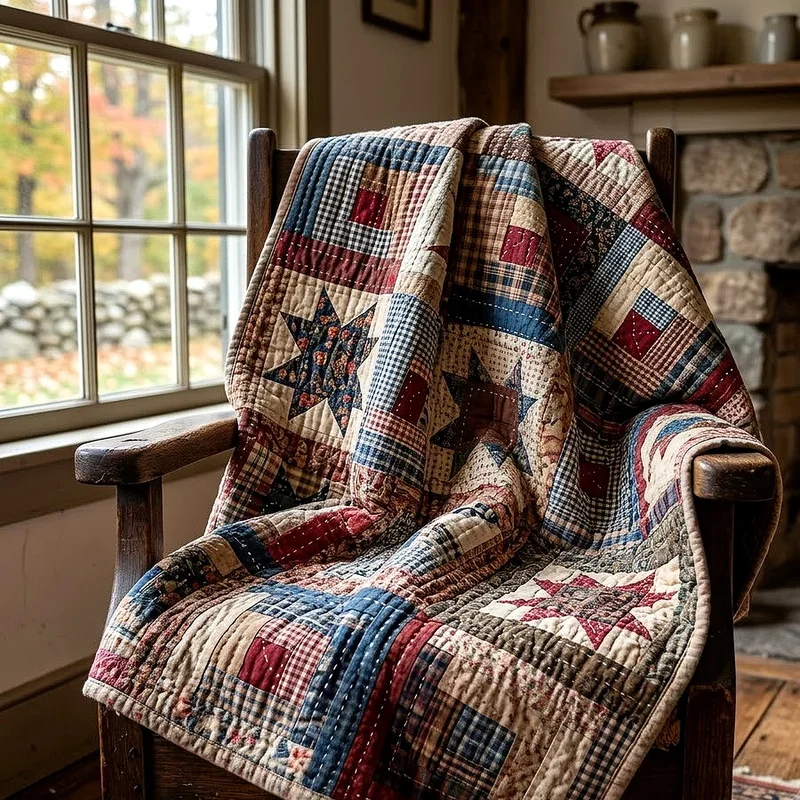
Quilts lean traditional, cozy, and lived in. Patchwork, floral prints, and hand-stitched detail all say farmhouse, cottage, or coastal. A quilt makes a room feel warm even before you touch it.
Comforters lean modern and streamlined. Solid colors, clean edges, and that hotel-bed puffiness read as polished and simple. If your style is minimalist or contemporary, a comforter fits right in.
Neither is better looking. It comes down to the story you want your bedroom to tell.
Cost and Long Haul Value
Prices overlap a lot, but the patterns are worth knowing.
Machine-made quilts often land in the affordable range, sometimes under a hundred dollars for a queen. Handmade quilts, though, can run into the hundreds because someone spent real hours on them.
Comforters swing wildly. Polyester fill can be dirt cheap. Genuine goose down with baffle box construction can cost several hundred dollars and up.
For durability, quilts usually win the long game. The stitching holds everything together, so there's less to fail. A good quilt can last decades and sometimes gets passed down. Comforters flatten over time as the fill breaks down, and most need replacing every five to ten years.
Which One Should You Actually Pick?
Ask yourself a few honest questions.
Do you sleep hot? Go quilt. Do you sleep cold? Go comforter. Do you hate doing laundry at a laundromat? Quilt, hands down. Do you want your bed to look full and plush with zero effort? Comforter.
Live somewhere with wild seasonal swings? Buy both. Seriously. Use the quilt from April through October, swap to the comforter when the frost hits, and you've solved the problem for good.
Got kids or pets crawling all over the bed? A quilt handles the abuse better and washes without drama.
Smart Layering Tips
You don't have to choose sides forever. Layering gives you flexibility.
* Put a quilt on top of a comforter for extra winter warmth and a pop of pattern.
* Fold a quilt across the bottom third of the bed for a finished look and a grab-and-go layer.
* Use a lightweight quilt as your only cover in summer, then add the comforter underneath when temperatures drop.
* Slip your comforter into a duvet cover so you can change colors without buying a whole new blanket.
Myths Worth Busting
A few things get repeated so often that people take them as gospel. Let's set the record straight.
Myth one: a comforter and a duvet are the same thing. Not quite. A duvet is meant to go inside a cover and is typically sold separately from bedding sets. A comforter is finished on its own and often comes as part of a matching set.
Myth two: quilts are old fashioned. Nope. Modern quilts come in geometric prints, moody solids, and washed linen finishes that look anything but dated.
Myth three: thicker always means warmer. Wrong again. Fill quality and construction matter far more than sheer bulk. A well-made wool quilt can out-warm a cheap, poorly stuffed comforter without breaking a sweat.
Conclusion
At the end of the day, the choice comes down to how you sleep and how you live. Quilts give you breathability, easy washing, and character that only gets better with age. Comforters give you warmth, softness, and a bed that looks made without much fuss. Neither one wins outright. Match the blanket to your climate, your laundry habits, and your style, and you'll wake up happy. That's really all there is to it.
Read next: 15 Baby Quilt Ideas to Create Adorable Nursery Decor
Frequently Asked Questions
Q1. Can I use a quilt and comforter together on one bed?
A: Absolutely, layering both works great for cold winters and adds visual interest to your bedding.
Q2. Which lasts longer, a quilt or a comforter?
A: Quilts generally last longer since stitched layers resist flattening better than loose comforter filling does.
Q3. Are quilts warm enough for winter nights?
A: Alone, usually not in harsh climates, but layering a quilt with blankets solves that easily.
Q4. Can I machine wash a comforter at home?
A: Only if your washer is large enough, otherwise use a commercial machine at a laundromat.
Q5. Is a duvet the same thing as a comforter?
A: No, duvets need separate covers while comforters are finished and ready to use immediately.
Stay up to date with our latest ideas!