How to Clean Mattress Stains: Step-by-Step Guide
Learn how to clean mattress stains with our step-by-step guide. Remove sweat, blood, urine, and more using simple household ingredients.
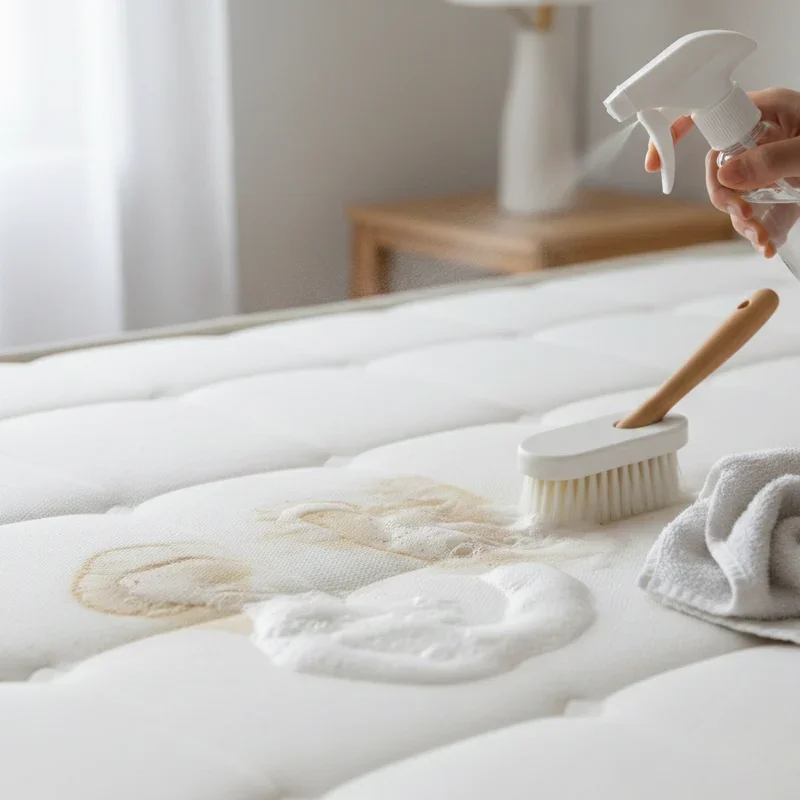
Let's face it, mattresses take a beating! Between spilled morning coffee, late-night snacks gone wrong, sick kids, pet accidents, and just the general wear and tear of nightly use, even the most careful among us end up with stained mattresses eventually. And here's the kicker: most people have no idea how to properly tackle these unsightly marks without making things worse.
The average person spends about eight hours every night on their mattress, which means you're spending roughly a third of your life on this single piece of furniture. Gross stains aren't just eyesores; they can harbor bacteria, allergens, and unpleasant odors that affect your sleep quality and overall health. Nobody wants to drift off to dreamland on a mattress that looks like it's seen better days!
The good news? You don't need fancy equipment or expensive professional cleaning services to restore your mattress to its former glory. This How to Clean Mattress Stains: Step-by-Step Guide will walk you through tackling every type of stain imaginable using ingredients you probably already have in your kitchen or bathroom cabinet. From fresh spills to set-in disasters, we've got solutions that actually work. Ready to transform that spotted mess into a clean sleeping surface? Let's get scrubbing!
Why Mattress Stains Happen and Why They Matter
The Unavoidable Reality
No matter how careful you are, mattress stains are practically inevitable. Our bodies produce about half a liter of sweat each night, and that moisture seeps right through sheets and mattress protectors over time. Add in dead skin cells, body oils, and the occasional drool, and your mattress is basically absorbing a cocktail of human byproducts every single night.
Then there are the accidents. Kids wet the bed, pets have mishaps, someone gets sick unexpectedly, or you simply knock over your bedside beverage. Life happens, and mattresses bear witness to all of it. The key isn't preventing every possible stain because that's simply unrealistic. Instead, knowing how to address stains quickly and effectively makes all the difference.
Health Implications of Dirty Mattresses
Beyond the ick factor, stained mattresses pose genuine health concerns. Biological stains like urine, blood, and sweat create perfect breeding grounds for bacteria and mold when left untreated. These microorganisms can trigger allergies, respiratory issues, and skin irritations.
Dust mites absolutely love the warm, slightly damp environment that body fluids create in mattress fibers. These microscopic creatures and their waste products are among the most common allergens in homes. Keeping your mattress clean isn't just about appearances; it's about creating a healthier sleep environment for you and your family.
Essential Supplies for Mattress Cleaning
Your Cleaning Arsenal
Before diving into stain removal, gather these supplies. Having everything ready prevents mid-cleaning trips to the store and allows you to act quickly when fresh stains occur.
White vinegar serves as a natural disinfectant and deodorizer that works wonders on organic stains. Baking soda neutralizes odors and helps lift stains from fabric fibers. Dish soap cuts through grease and helps break down protein-based stains. Hydrogen peroxide tackles stubborn discoloration, especially effective on blood and yellowing.
You'll also need clean white cloths or paper towels for blotting. Colored cloths can transfer dye onto your mattress, creating new problems while solving old ones. A spray bottle makes applying cleaning solutions easier and more controlled. Finally, keep a vacuum with an upholstery attachment handy for pre and post-cleaning maintenance.
What to Avoid
Some common cleaning products can actually damage mattresses or create worse problems than the original stains. Bleach seems like an obvious choice for whitening, but it can break down mattress fibers and leave behind harsh chemical residues where you sleep.
Excessive water is another enemy. Mattresses take forever to dry completely, and moisture trapped inside creates mold and mildew issues that are far worse than surface stains. Always use the minimum amount of liquid necessary and focus on thorough drying afterward.
How to Clean Mattress Stains: Step-by-Step Guide for Fresh Spills
Acting Fast Makes All the Difference
When accidents happen, time is your best friend or worst enemy. Fresh stains are infinitely easier to remove than set-in ones, so don't procrastinate! The moment you notice a spill, strip the bedding and start treatment immediately.
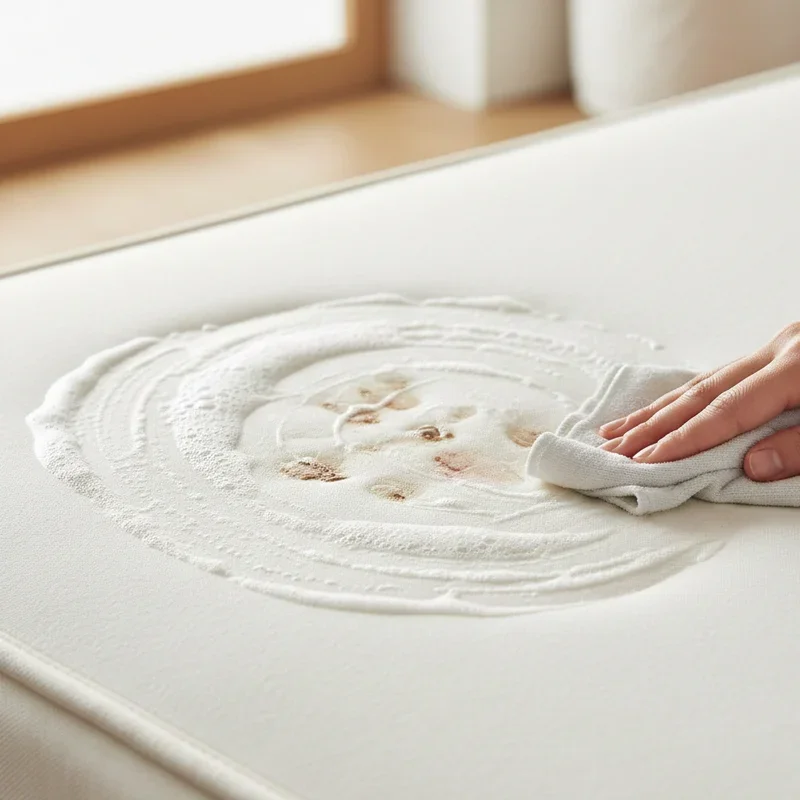
Begin by blotting, never rubbing, the affected area with clean cloths or paper towels. Rubbing pushes the stain deeper into mattress fibers and spreads it across a larger area. Blot from the outside edges toward the center to contain the mess rather than expanding it.
The Basic Cleaning Process
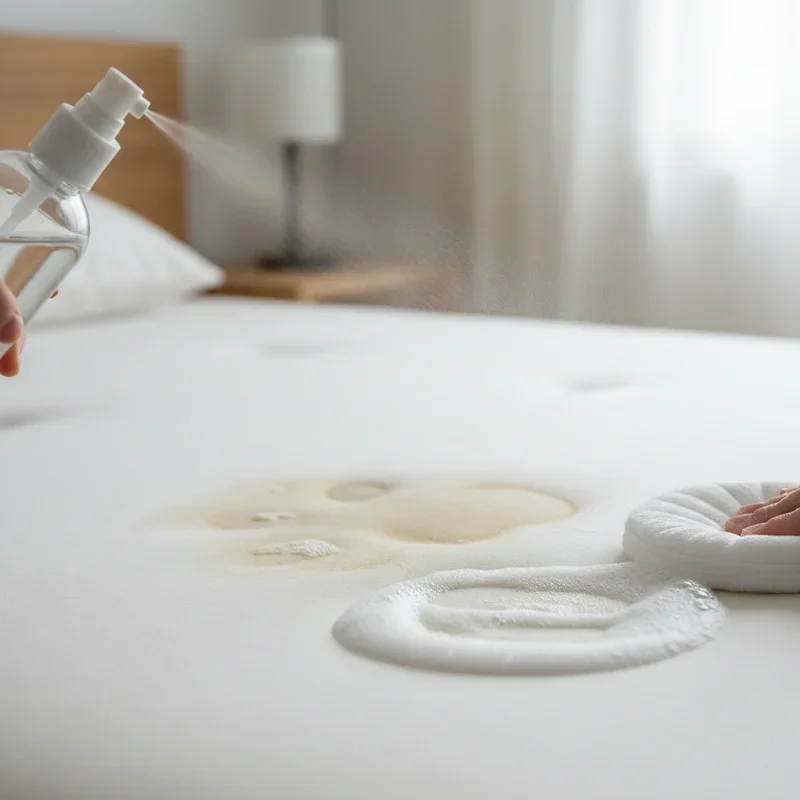
Mix one cup of warm water with one tablespoon of dish soap and one tablespoon of white vinegar in a spray bottle. Lightly mist the stained area without saturating the mattress. Remember, less is more when it comes to moisture!
Let the solution sit for about five minutes to penetrate the stain. Using a clean white cloth, blot the area again, lifting the loosened stain material. Repeat the spray-and-blot process until no more discoloration transfers to your cloth.
Once the stain is gone, blot the area with a cloth dampened with plain water to remove any soap residue. Finally, sprinkle baking soda generously over the damp area and let it sit for several hours or overnight. The baking soda absorbs remaining moisture and neutralizes odors. Vacuum thoroughly before remaking your bed.
Tackling Specific Stain Types
Blood Stains
Blood stains rank among the trickiest to remove because proteins in blood bond strongly with fabric fibers when exposed to heat. Here's the golden rule: always use cold water on blood stains. Hot water essentially cooks the proteins and sets the stain permanently.
For fresh blood, blot away as much as possible with cold water and a clean cloth. Mix two tablespoons of salt with one cup of cold water and apply to the stain. Salt helps break down blood proteins naturally. Blot, rinse with cold water, and repeat until the stain lifts.
Older blood stains require hydrogen peroxide. Apply a small amount directly to the stain and watch it fizz as it breaks down the dried blood. Blot away the foam, reapply if needed, and follow with the cold water rinse method.
Urine Stains and Odors
Whether from bedwetting children, elderly family members, or pets, urine stains present a double challenge: visible discoloration and lingering smell. The ammonia in urine creates that distinctive unpleasant odor that can persist for months if not properly treated.
Blot fresh urine immediately, absorbing as much liquid as possible. Then spray liberally with undiluted white vinegar. Vinegar neutralizes the ammonia, eliminating odor at the source rather than masking it. Let the vinegar sit for ten minutes before blotting dry.
Cover the area with a thick layer of baking soda and let it sit for eight to ten hours minimum. The baking soda continues absorbing moisture and odors during this time. Vacuum thoroughly and repeat if any smell remains.
Sweat and Yellow Stains
Those yellowish stains that develop over time? That's accumulated sweat, body oils, and dead skin cells oxidizing in the mattress fabric. Lovely thought, isn't it? These stains are common and totally normal, but they're also removable.
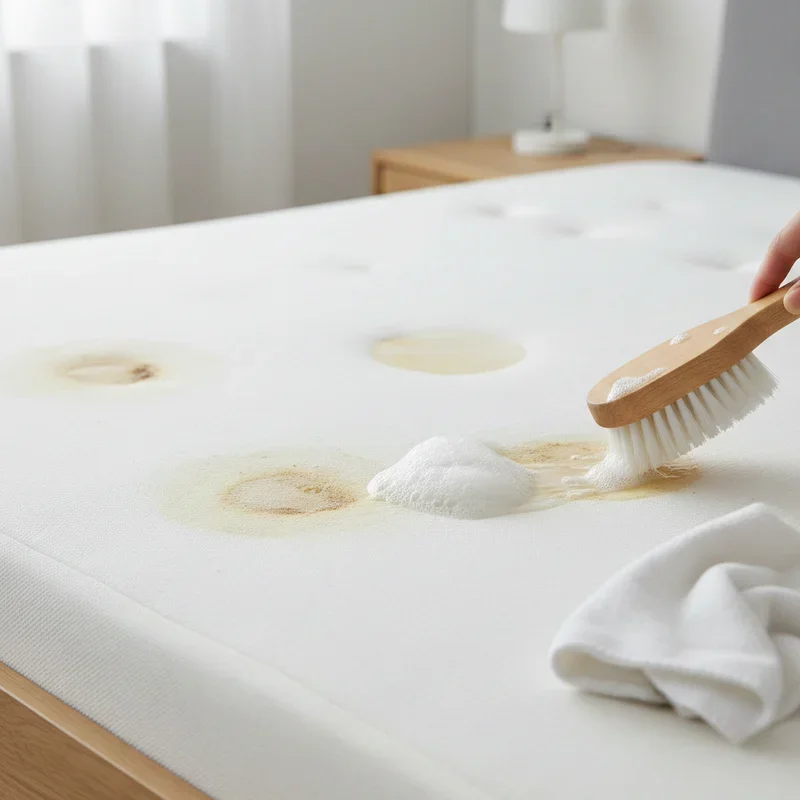
Create a paste using one cup of baking soda, one tablespoon of dish soap, and two tablespoons of hydrogen peroxide. Apply this paste to yellowed areas using a soft brush or cloth. Work the mixture gently into the fabric without oversaturating.
Let the paste dry completely, which usually takes a few hours. As it dries, it continues pulling stains from the mattress fibers. Vacuum away the dried residue and marvel at the improvement. Multiple applications may be necessary for severe yellowing.
Food and Beverage Stains
Breakfast in bed sounds romantic until coffee splashes or jam drips onto your pristine white mattress. Different foods require slightly different approaches, but the general principles remain consistent.
For coffee, tea, or juice stains, mix one tablespoon of dish soap with two cups of cool water. Apply with a cloth, working from the outside in. Blot dry and repeat as needed. For stubborn coffee stains, add a tablespoon of white vinegar to the mixture.
Greasy food stains respond well to baking soda applied dry. The powder absorbs oil before it penetrates deeper into the mattress. Let baking soda sit for thirty minutes, vacuum, then treat any remaining discoloration with dish soap solution.
Deep Cleaning Your Entire Mattress
When Spot Cleaning Isn't Enough
Sometimes your mattress needs more than targeted stain treatment. Annual deep cleaning keeps things fresh and extends mattress life significantly. This process addresses overall dinginess, accumulated odors, and dust mites throughout the mattress.
Strip all bedding and vacuum the entire mattress surface thoroughly using an upholstery attachment. Pay special attention to seams, crevices, and edges where dust and debris accumulate. Don't forget the sides and even the bottom if accessible.
The Baking Soda Treatment
After vacuuming, sprinkle baking soda generously across the entire mattress surface. For extra freshening power, mix in a few drops of essential oil like lavender or eucalyptus before applying. Use a soft brush to work the baking soda into the fabric gently.
Here's where patience pays off: leave the baking soda in place for as long as possible. A few hours helps, but overnight or even a full day produces best results. If possible, open windows or use fans to promote air circulation during this time.
Vacuum thoroughly again, removing all baking soda residue. Flip or rotate your mattress following manufacturer guidelines, then repeat the process on the other side. Your mattress should smell remarkably fresher and feel cleaner overall.
Preventing Future Stains
Protective Measures That Work
Prevention beats treatment every time! Quality mattress protectors create waterproof barriers between your body and the mattress itself. Modern protectors are breathable and comfortable, nothing like the crinkly plastic sheets of decades past.
Wash your mattress protector regularly, at least monthly, along with your sheets and pillowcases. This removes accumulated body oils and sweat before they can penetrate to the mattress below.
Habits That Help
Change your sheets weekly at minimum. Fresh sheets absorb nightly perspiration before it reaches your mattress, and regular washing prevents buildup of dead skin cells that dust mites feast upon.
Shower before bed when possible. This might sound excessive, but removing daily grime, sweat, and body products before lying down significantly reduces what transfers onto your bedding and mattress.
Keep food and drinks out of bed. Yes, weekend breakfast in bed is cozy, but it's also a stain waiting to happen. Enjoy meals at tables and keep your mattress protected from accidental spills.
Drying Your Mattress Properly
The Importance of Complete Drying
After any wet cleaning method, ensuring your mattress dries completely is absolutely crucial. Trapped moisture leads to mold growth, mildew development, and musty odors that are extremely difficult to eliminate once established.
Use fans pointed directly at cleaned areas to accelerate drying. Opening windows improves air circulation and helps carry moisture away. If weather permits, placing your mattress in direct sunlight provides natural sanitizing benefits alongside faster drying.
Checking Before Remaking
Before putting sheets back on, verify the mattress is completely dry to the touch. Press firmly on cleaned areas and check for any coolness or dampness. If there's any doubt, give it more time because patience here prevents serious problems later.
This How to Clean Mattress Stains: Step-by-Step Guide emphasizes drying because it's where many well-intentioned cleaning efforts go wrong. Don't rush this final step!
Conclusion
Keeping your mattress clean and stain-free isn't rocket science, but it does require knowing the right techniques for different situations. This How to Clean Mattress Stains: Step-by-Step Guide has equipped you with everything needed to tackle fresh spills, stubborn set-in stains, and overall mattress maintenance using simple household ingredients. Remember that acting quickly on fresh stains, using appropriate cleaning solutions for specific stain types, and ensuring thorough drying are your keys to success. With regular care and prompt attention to accidents, your mattress can remain fresh, hygienic, and comfortable for years to come.
Read next: 15 Dresser Decor Ideas to Style Your Bedroom Beautifully
Frequently Asked Questions
1. How often should I deep clean my mattress?
Deep clean your mattress every six months, or quarterly if allergies are a concern.
2. Can I use a steam cleaner on my mattress?
Steam cleaners work well but introduce significant moisture requiring extended drying time afterward.
3. Will baking soda damage my mattress fabric?
No, baking soda is gentle and safe for all mattress types when vacuumed away completely.
4. How long do mattress stains take to become permanent?
Untreated stains can set permanently within 24 to 48 hours depending on stain type.
5. Can professional cleaning remove old mattress stains?
Professional cleaners have stronger tools and may improve old stains regular methods cannot.
Stay up to date with our latest ideas!