15 Toddler Floor Bed Ideas to Create a Cozy Sleep Space
Discover 15 toddler floor bed ideas that turn your little one's room into a safe, snug, and seriously dreamy sleep space they will adore.
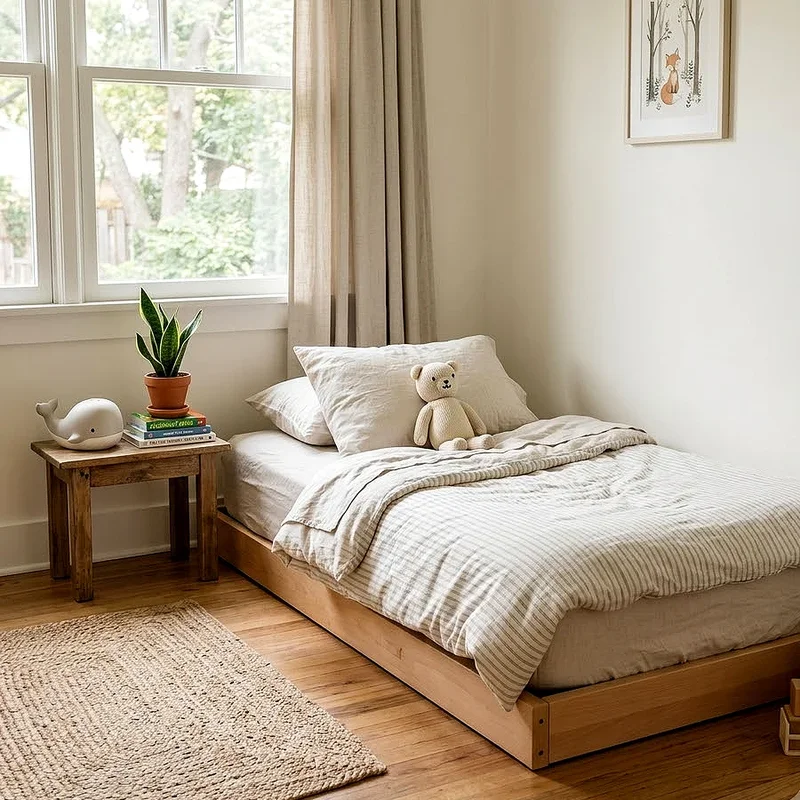
Remember the first time your toddler climbed out of the crib and grinned at you like they had just won something? That moment usually starts the floor bed conversation. A mattress low to the ground gives your child freedom without the drop, and it turns bedtime from a wrestling match into something calmer. But a floor bed does not have to look like a sad rectangle in the middle of a room. With a few smart touches, it becomes the coziest corner in your whole home. So grab your coffee, because we are about to walk through fifteen ideas that make low sleeping feel warm, safe, and honestly kind of magical.
1. Start With a Simple Mattress on the Floor
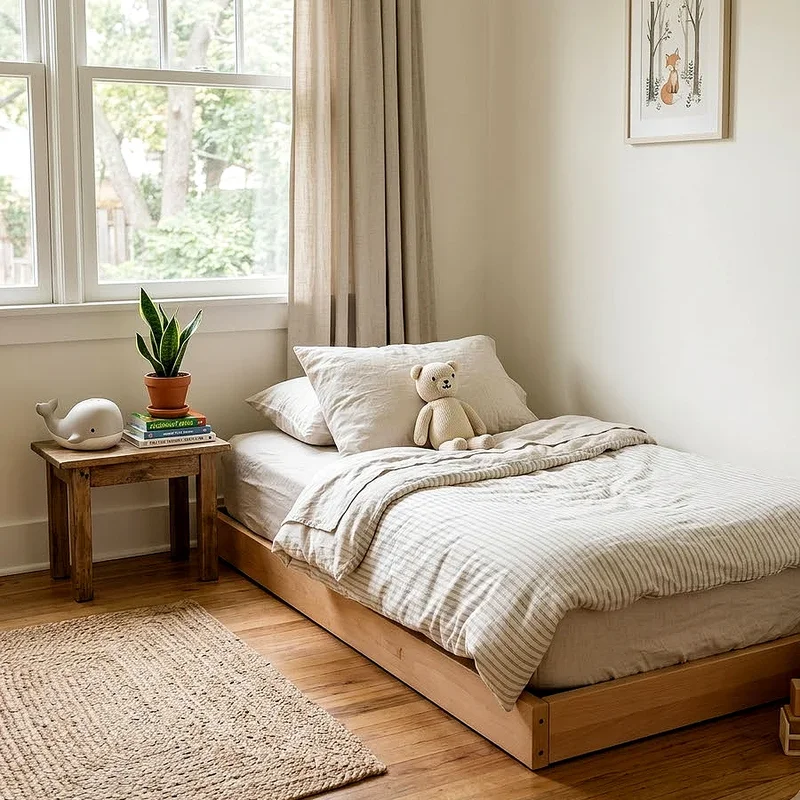
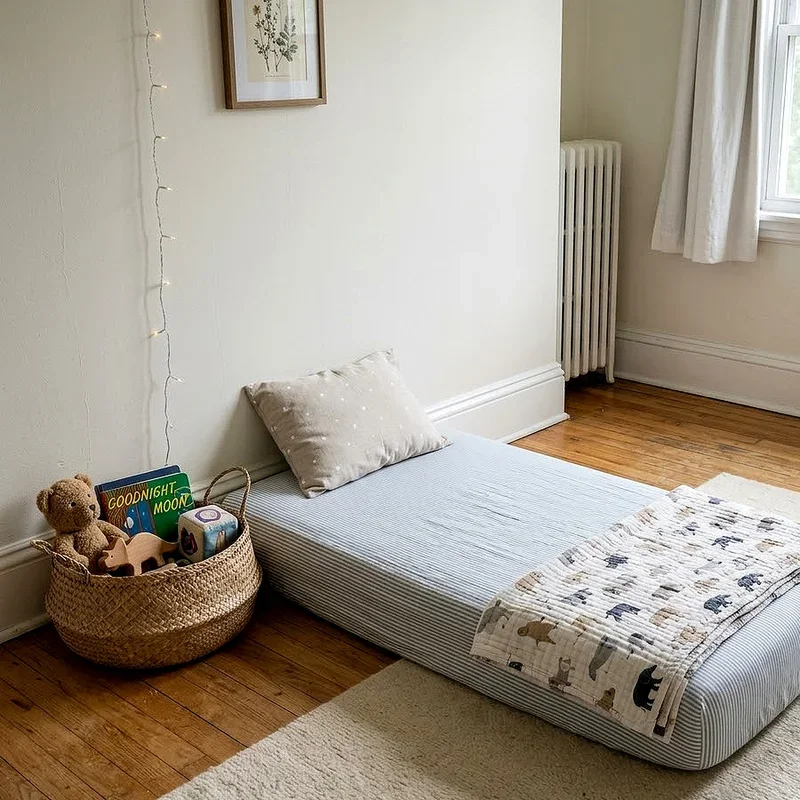
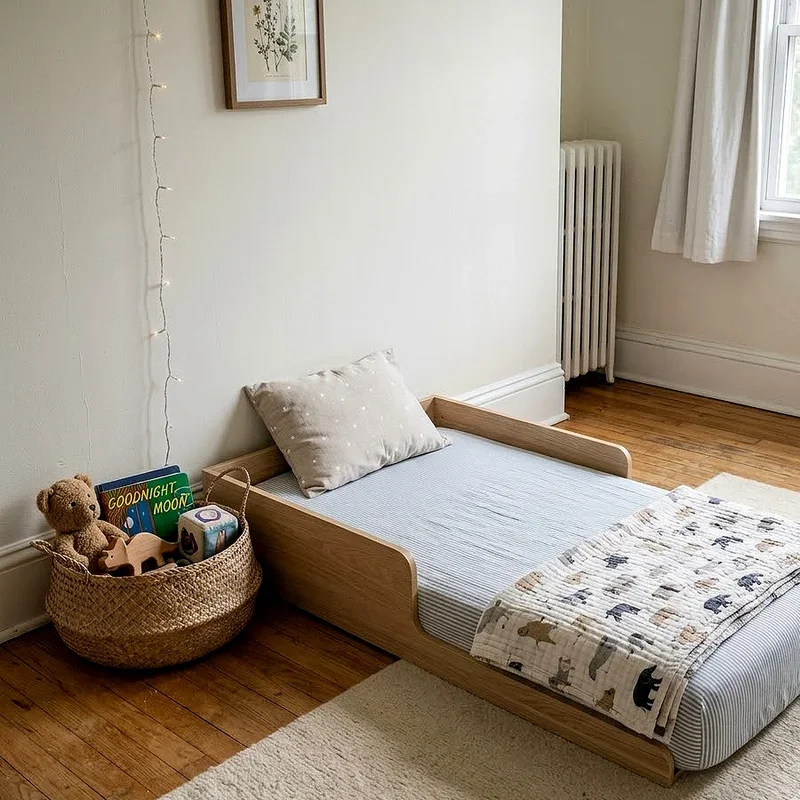
You do not need anything fancy to begin. Honestly, a good mattress laid straight onto the floor works beautifully, and toddlers rarely complain about the missing headboard. Think of it as the blank canvas of the whole room, ready for whatever cozy layers you add later. I love how this setup gives your child freedom to climb in and out without a single tumble to worry about. Choose a firm mattress rather than a squishy one, because little bodies sleep better with real support. Slide a breathable mat or thin rug underneath so air keeps moving and moisture never settles. Then step back and watch what happens. Most toddlers treat that low mattress like their own tiny island, and bedtime suddenly feels less like a battle and more like an invitation.
2. Build a Cozy House Frame Bed
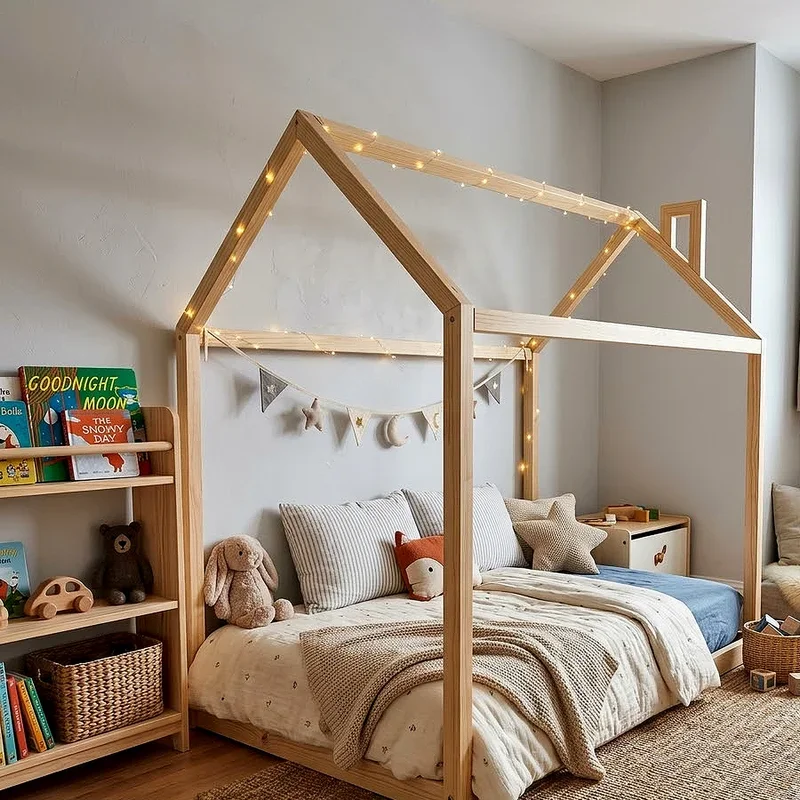
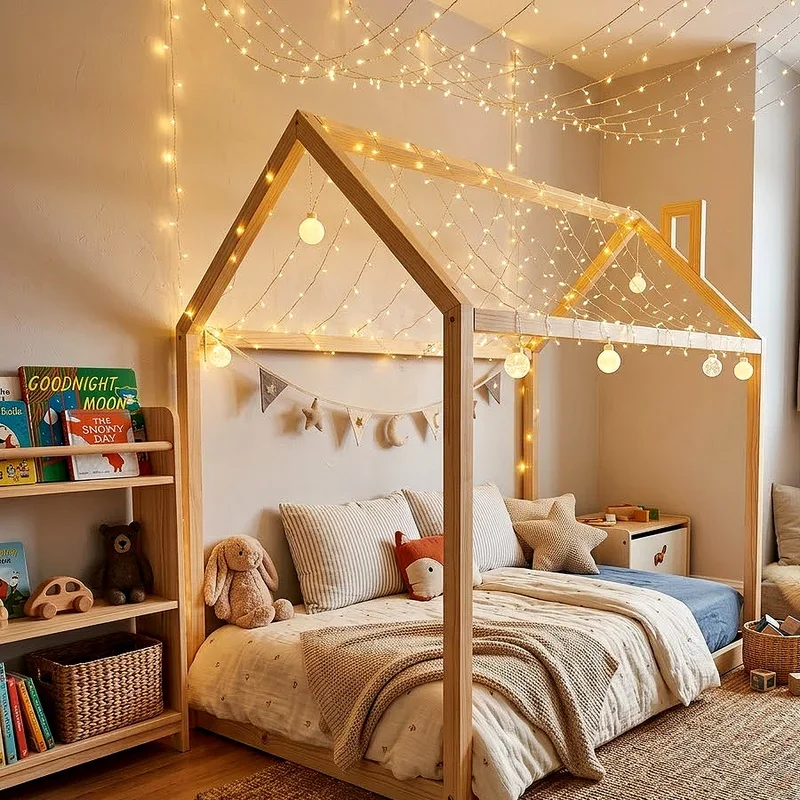
Ever noticed how kids gravitate toward anything shaped like a little home? A house frame bed leans right into that instinct. The simple pitched roof outline sits low to the ground, so your toddler still rolls out safely, yet the room instantly gains personality. You can buy one ready made or build it from pine boards over a weekend if you enjoy a project. Sand every edge until it feels smooth as a river stone, then finish it with a nontoxic paint or oil. Once it stands there, the frame becomes a hook for everything else: fairy lights along the ridge, a muslin drape across one side, a garland of felt stars. Suddenly the bed is not just furniture. It is a tiny house your child gets to own.
3. Add a Canopy for Dreamy Bedtime Vibes
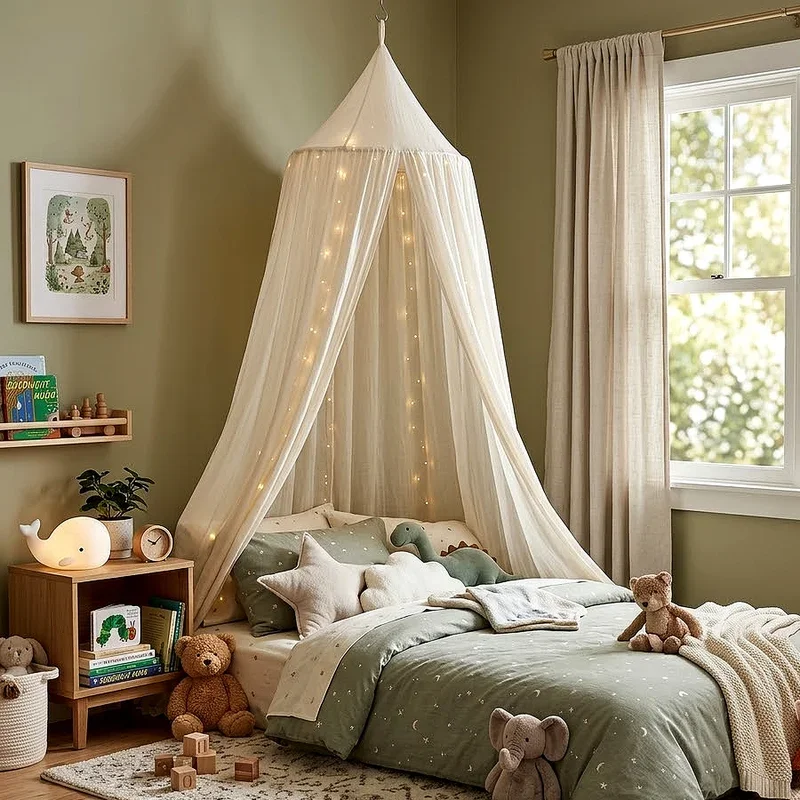
A canopy does something almost unfair to a plain room. You hang one sheer panel from a ceiling hook, let it fall in a soft arc, and the whole space feels hushed and private, like a secret hidden under a willow tree. Toddlers respond to that enclosed feeling because it echoes the snugness they knew in the crib. Pick lightweight cotton or muslin rather than heavy synthetics, and keep the fabric well above the mattress so nothing drapes near a sleeping face. Anchor the hook into a ceiling joist, never just drywall, and check the tension every few weeks. Wash the panel monthly since dust loves fabric. The payoff is huge for the effort involved, and your photos of the room will look like a magazine spread.
4. Layer Soft Rugs All Around the Bed
Here is the thing nobody warns you about with floor beds: your toddler will not stay on the mattress. They roll, they crawl off at dawn, they build entire cities out of blocks beside the pillow. So treat the floor around the bed as part of the bed itself. A thick wool or cotton rug turns cold planks into something warm and forgiving, and it softens the landing when a sleepy body slides sideways at two in the morning. Layer a smaller sheepskin or flatweave on top for texture. Use a nonslip pad underneath so the rug stays put during wild play. Choose washable options if you can, because juice happens. The whole nook starts feeling less like a bedroom and more like a cushioned little world.
5. Choose a Low Wooden Platform for Airflow
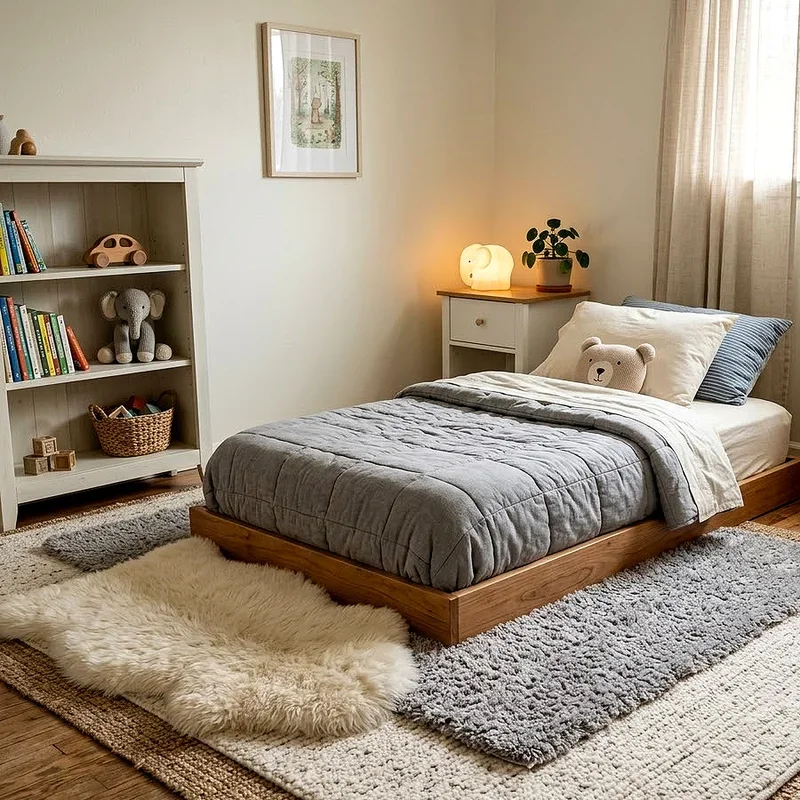
Worried about moisture under a mattress that sits flat on the floor? That concern is fair, especially in humid homes. A low wooden platform solves it neatly. Raise the mattress just three or four inches on slats, and air circulates underneath instead of trapping damp against the underside. Your toddler still steps down easily, so you keep every safety benefit of a floor bed. Look for slatted frames without sharp corners, or ask a carpenter to round the edges for you. A natural oil finish keeps the grain visible and skips harsh fumes. Give the mattress a flip every month and let it breathe on sunny days. Small habits like these stretch the life of the mattress and keep the sleep space fresh year after year.
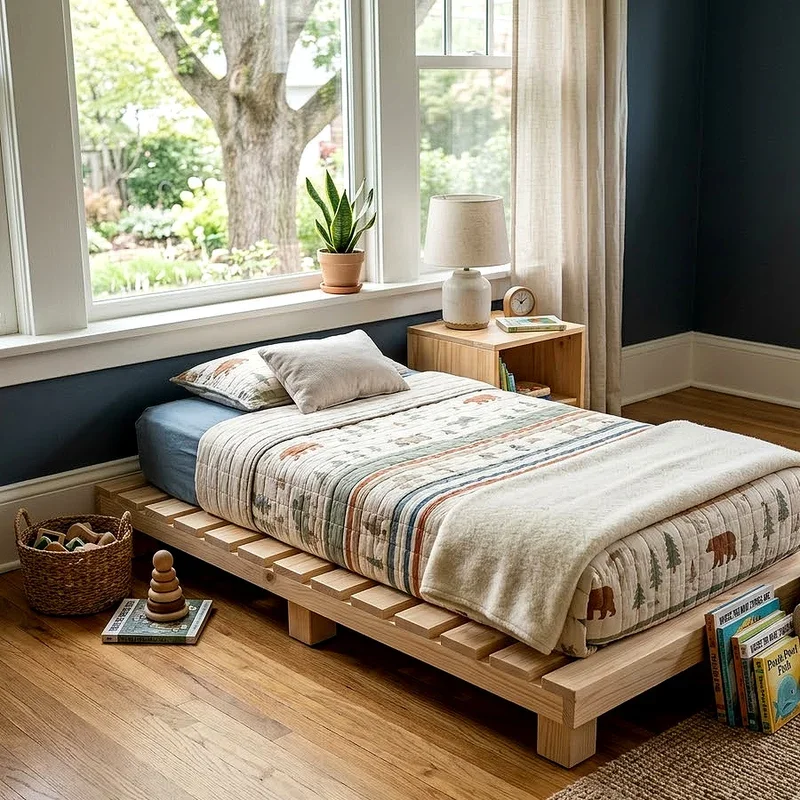
6. Tuck the Bed Into a Snug Corner
Why does a corner feel so much safer than the middle of a room? Two walls do half the work of a frame, wrapping your toddler in a sense of shelter without a single extra purchase. Push the mattress into the corner, and you immediately eliminate two edges to roll off. Add a soft wall hanging or padded panel along those walls to cushion the inevitable sleepy headbutt. Keep outlets covered and cords tucked far out of reach, since the corner is now within arm's length of everything. I like adding a small shelf high above for books and a nightlight. The corner setup also frees up the rest of the floor for play, which matters a lot in smaller rooms where every square foot counts.
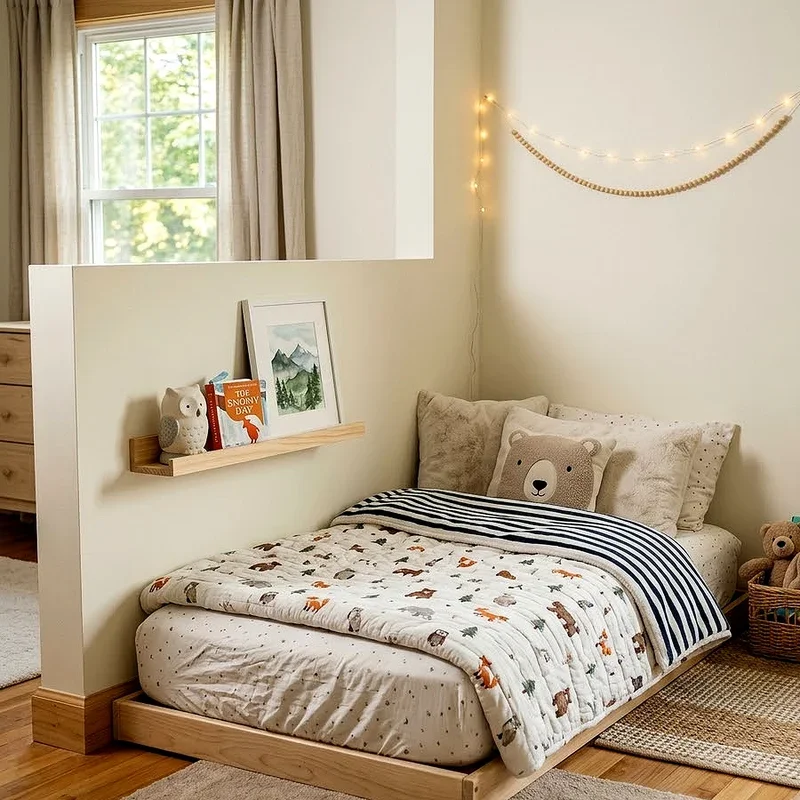
7. Create a Reading Nook Right Beside It
Bedtime goes smoother when the bed is part of a bigger, calmer zone. So build a reading nook right next to the mattress. A low bookshelf with covers facing outward lets your toddler pick their own story, and that tiny bit of control does wonders for cooperation. Toss in a floor cushion, a beanbag, or a chunky knit pouf where you can sit during story time. Keep the lighting warm rather than bright white, because harsh light tells little brains to stay awake. Rotate the book selection every couple of weeks so the nook never gets stale. Before long, your child wanders over on their own, flips through pages, and drifts toward sleep naturally. That is the whole goal, right?
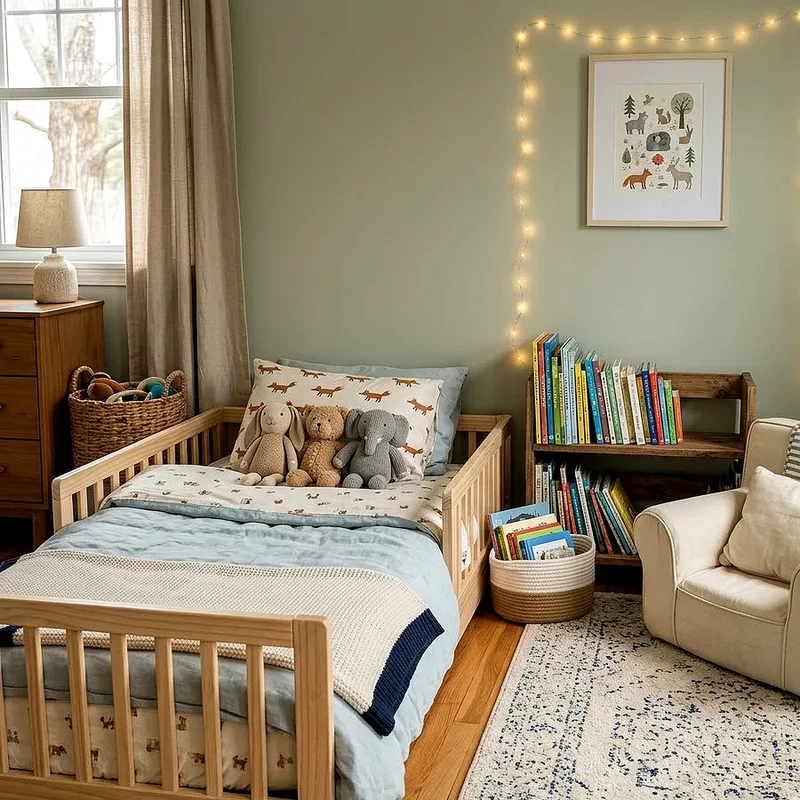
8. Pick Breathable Bedding in Calm Colors
Bedding does more than look pretty in photos. Toddlers run warm, and they kick blankets around like tiny soccer players, so breathability matters enormously. Reach for cotton, bamboo, or linen instead of slippery polyester blends that trap heat. Keep the layers minimal: a fitted sheet, one light blanket, and maybe a small pillow once your child is past eighteen months. Skip the mountain of decorative cushions, however tempting they look on social media. As for color, soft sage, warm oatmeal, muted terracotta, and dusty blue all calm the nervous system better than bright primaries. Think of the palette as a lullaby your eyes can hear. Wash everything weekly in a gentle detergent, and the whole bed stays fresh, soft, and genuinely inviting.
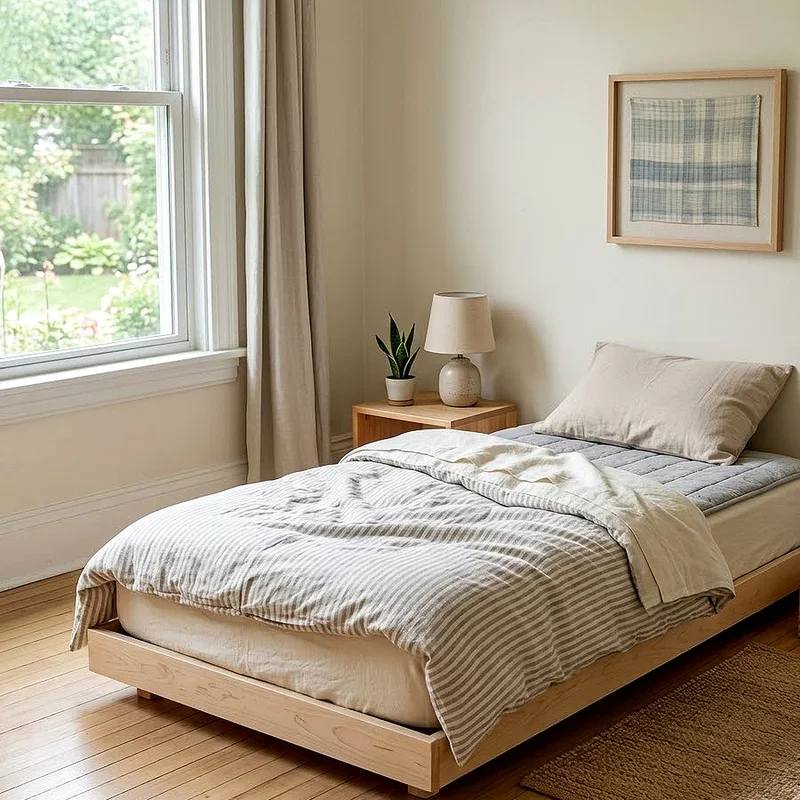
9. Add Low Guardrails That Blend Right In
Some toddlers roll like rotisserie chickens, and a bare mattress edge makes bedtime stressful for everyone. Low guardrails fix that without wrecking the airy look you worked so hard for. Choose rails just six to eight inches tall, high enough to catch a rolling body but low enough that your child steps over easily. Wooden rails in a matching finish disappear into the design, while a rolled bolster tucked under the fitted sheet gives a softer, almost invisible barrier. Leave one side completely open so your toddler still has an exit and never feels trapped. Check for gaps between rail and mattress, because small limbs find every gap eventually. A little planning here buys you months of calmer nights and fewer three in the morning wake ups.
10. Hang Warm, Soft Lighting Overhead
Lighting shapes mood faster than any other element in a room. Harsh overhead bulbs feel like a supermarket aisle, and no toddler drifts off under a supermarket aisle. Swap in warm bulbs around 2700 kelvin, then add a second gentle source near the bed. Battery powered fairy lights woven along a house frame work beautifully, and they carry no cords for curious hands. A dimmable nightlight with an amber glow helps too, since amber interferes least with melatonin. Mount anything electrical well above reach, and secure every wire with clips along the baseboard. Then dim the room about thirty minutes before sleep and let the light do the talking. Your child's body reads that cue long before your words ever land.
11. Slide Storage Underneath and Nearby
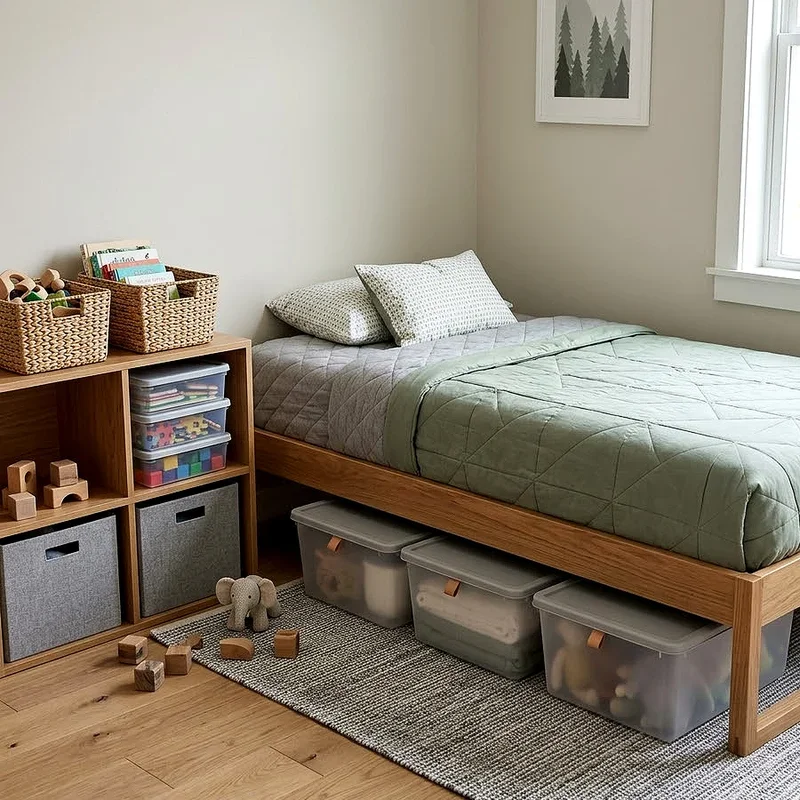
Floor beds sit low, which means the space beneath them shrinks to almost nothing. So get creative with the perimeter instead. Flat rolling bins slide neatly under a slatted platform and swallow seasonal clothes or extra bedding. Along the wall, a row of low baskets keeps stuffed animals corralled and lets your toddler tidy up without your help. Woven baskets look warm, resist scuffs, and cost less than built in cabinetry. Anchor any tall unit to the wall, no exceptions, because climbing is basically a toddler hobby. Label bins with pictures rather than words so your child recognizes where things belong. A clutter free floor also means fewer things to trip over during those middle of the night bathroom trips.
12. Try a Tent or Teepee Inspired Setup
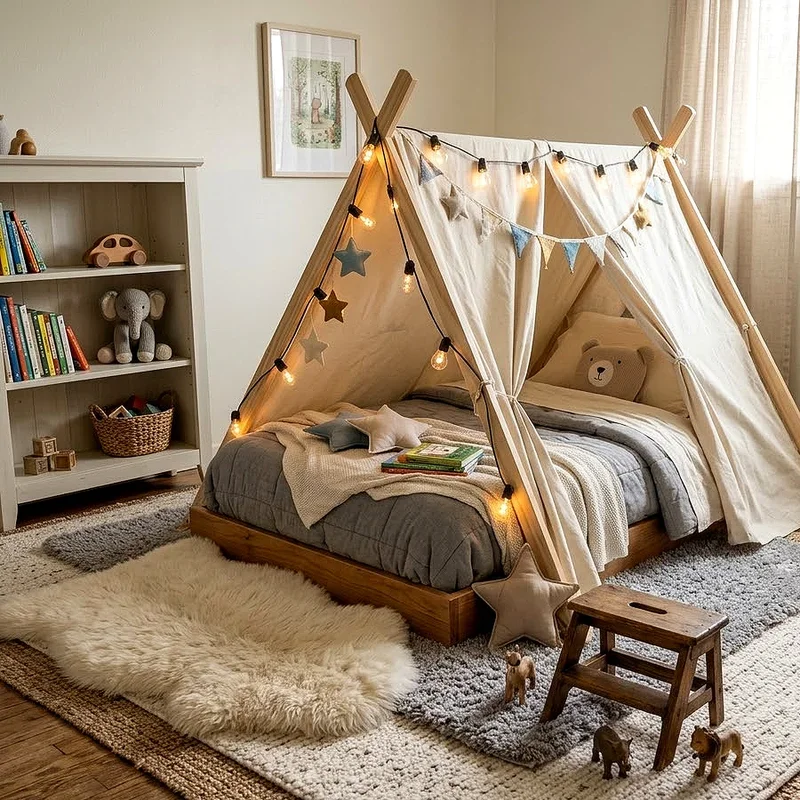
Kids love hideouts, and a teepee turns an ordinary mattress into an adventure. Position a fabric tent so the mattress sits partly inside, leaving the opening clear and unobstructed. The frame creates a cocoon of shade during naps and a fort during the day, which stretches the value of every square foot in the room. Choose a sturdy wooden pole structure with a wide base, and skip anything wobbly. Keep the fabric flame resistant and free of long ties or cords. Some parents add a small string of battery lights inside for a campfire glow. Just supervise early on, since toddlers test the limits of every structure they meet. Once your child claims it, good luck getting them out at dinnertime.
13. Go Playful With a Cloud or Round Bed
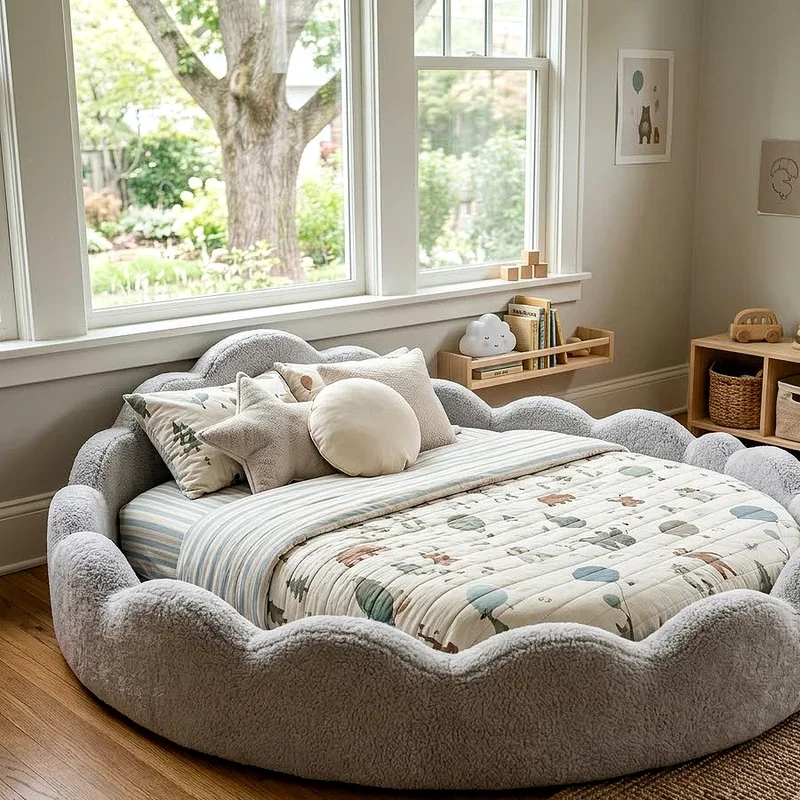
Who decided beds have to be rectangles? A round mattress or a cloud shaped platform breaks the pattern and makes the whole room feel imaginative. Cloud beds pair especially well with soft blue and white palettes, and they photograph like a dream if you enjoy documenting your home. Round beds work brilliantly in the center of a room where no walls provide edges anyway. Both options cost more and limit your sheet choices, so weigh that before ordering. You may need custom bedding or clever draping with oversized flat sheets. Still, watching your toddler curl up in the middle of a puffy cloud is worth a bit of extra hassle. Sometimes whimsy earns its place in a practical world.
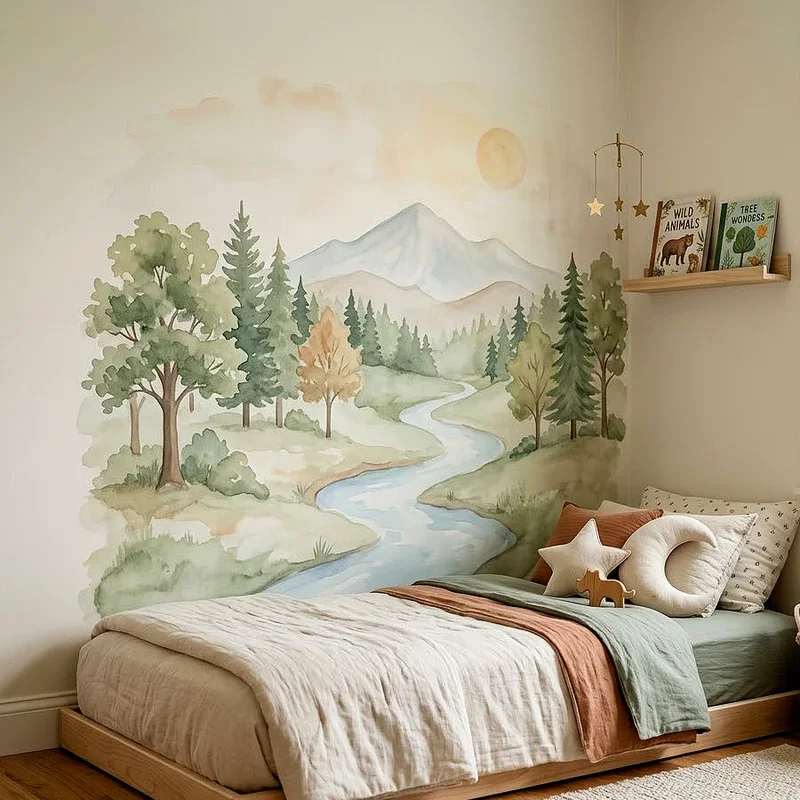
14. Paint a Mural on the Wall Behind
The wall behind a floor bed becomes the visual anchor of the room, since there is no tall headboard stealing attention. Use it. A hand painted arch in a soft color takes one afternoon and instantly frames the sleeping spot. Feeling braver? Try rolling hills, a crescent moon, a few drifting balloons, or a simple mountain range in flat matte paint. Peel and stick wallpaper offers the same effect without commitment, which renters especially appreciate. Stick to low sheen finishes so glare stays down and the mural reads soft rather than shiny. Keep the palette gentle, because a wall full of loud pattern can quietly rev up a tired brain. Done well, the mural feels like a window into somewhere lovely.
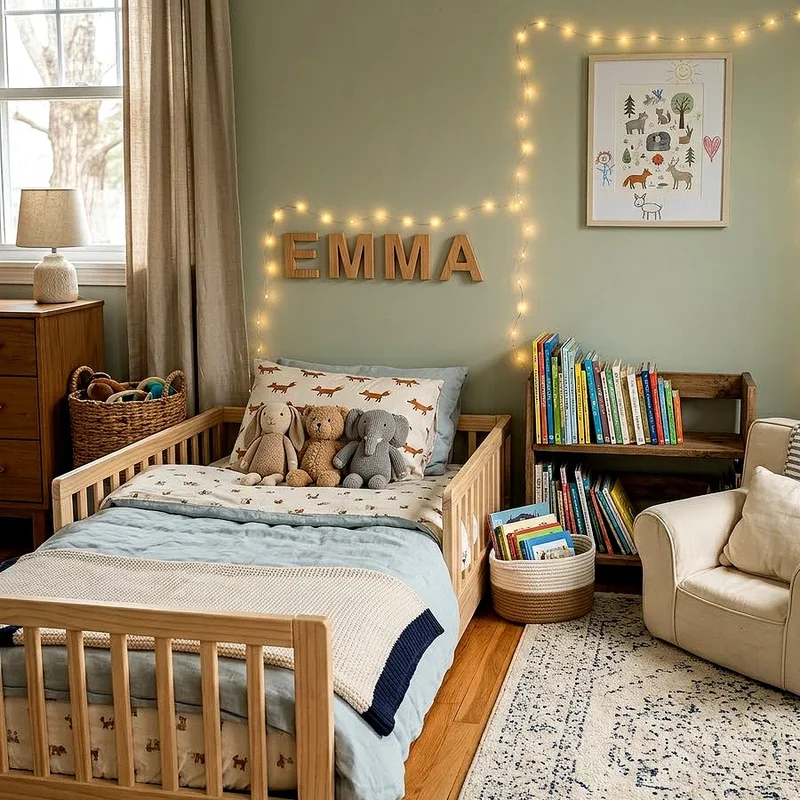
15. Personalize It With Their Name and Art
Ownership matters more to toddlers than most adults realize. When a space feels like theirs, they settle into it faster and resist bedtime less. So put their name up in wooden letters above the bed, or hang a small felt banner across the frame. Frame a few of their own scribbles at their eye level rather than yours, because art hung at adult height barely registers to a three year old. Add a photo of the family, a favorite animal print, or a tiny shelf holding one beloved figurine. Keep it curated instead of crowded, since visual noise makes rooms feel restless. Rotate pieces occasionally as their interests shift. The room grows with them, and bedtime stops feeling like exile from the fun.
Conclusion
A floor bed gives your toddler something surprisingly powerful: independence with a soft landing. Whether you go simple with a mattress and a great rug or full storybook with a house frame, canopy, and painted mural, the goal stays the same. You want a space that feels safe, calm, and unmistakably theirs. Start with one or two ideas rather than all fifteen, then build slowly as you learn what your child actually loves. Bedtime will still have rough nights, because toddlers are toddlers. But a cozy floor bed makes those nights noticeably gentler for everyone involved.
Read next: 15 DIY Pallet Bed Frame Ideas for Budget-Friendly Style
Frequently Asked Questions
Q1: What age is right for starting a toddler floor bed?
A: Most families begin between eighteen months and three years, once climbing out of the crib starts.
Q2: Are floor beds safe for toddlers overnight?
A: Yes, provided you anchor furniture, cover outlets, remove cords, and toddler proof the entire bedroom thoroughly.
Q3: Will a mattress on the floor get moldy?
A: It can in humid homes, so use slats, flip monthly, and air the mattress regularly.
Q4: Do toddlers actually stay on a floor bed?
A: Not always at first, but consistent routines and calm returns usually settle things within two weeks.
Q5: What bedding works best for a toddler floor bed?
A: Breathable cotton or bamboo sheets, one light blanket, and minimal pillows for safer, cooler sleep.
Stay up to date with our latest ideas!